Isuzu Body Types: Isuzu Box Truck, Flatbed, Stake Bed, Landscape, and More
One Cab. A Remarkable Number of Jobs.
An Isuzu commercial truck doesn’t come with a predetermined job description.
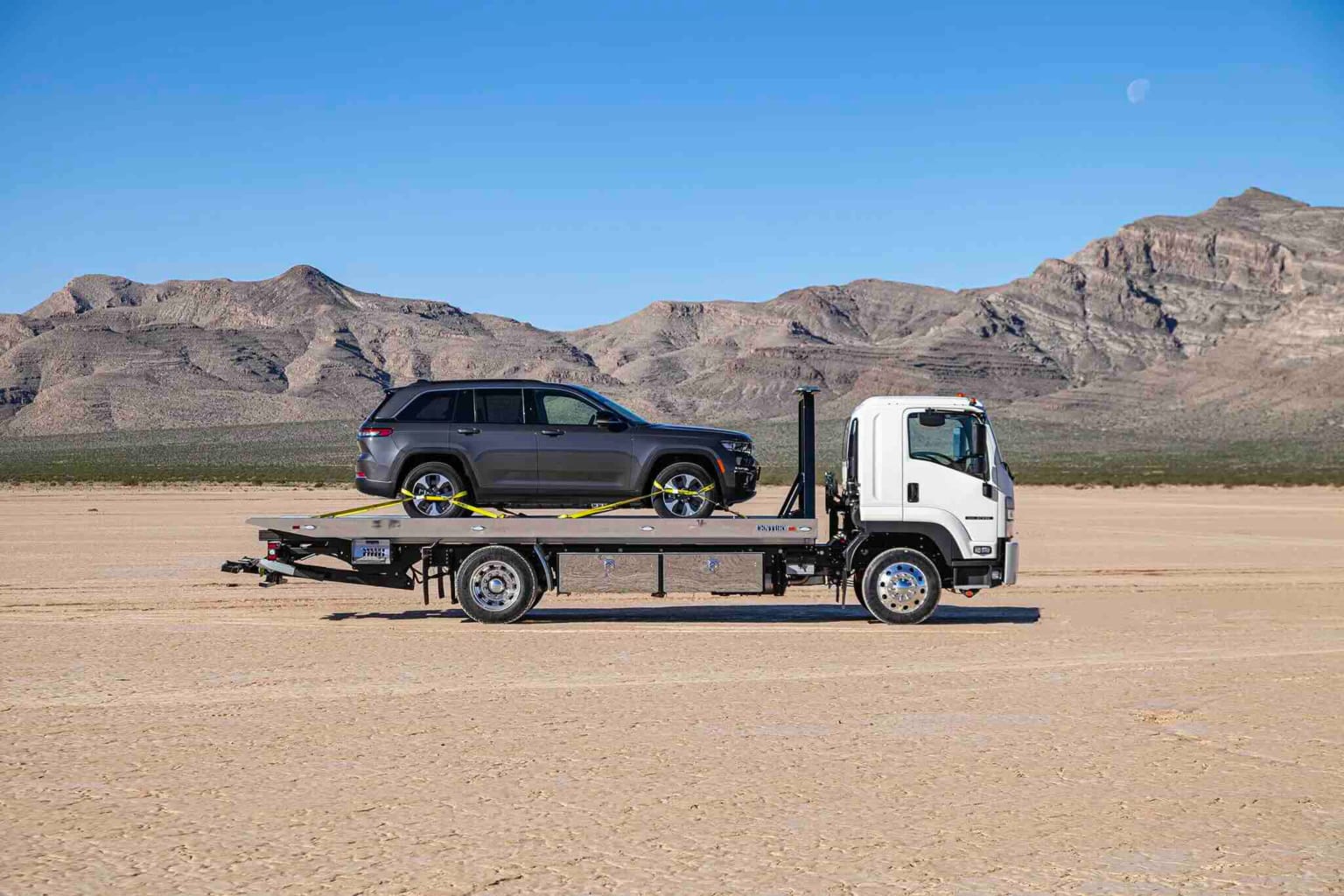
Start with the cab and chassis, then build around the work. Add an enclosed cargo body and it becomes an Isuzu box truck for deliveries. Install an open platform and you have an Isuzu flatbed truck ready for lumber, equipment, or oversized materials.
That flexibility is one of the biggest advantages of shopping for a commercial chassis instead of settling for a one-size-fits-all work vehicle. The best truck for your day is the one that fits the cargo, loading process, crew, routes, and daily workload as closely as possible.
At Way Scarff Isuzu in Auburn, Washington, we help businesses compare chassis ratings, wheelbases, body lengths, cab configurations, and upfits before choosing a work truck. Here’s how the most common Isuzu body types differ—and which jobs each one handles best.
Quick Match: Which Isuzu Body Fits Which Job?
Body type | Best suited for | Main advantage |
|---|---|---|
Box truck | Deliveries, moving, furniture, packaged goods | Enclosed weather protection |
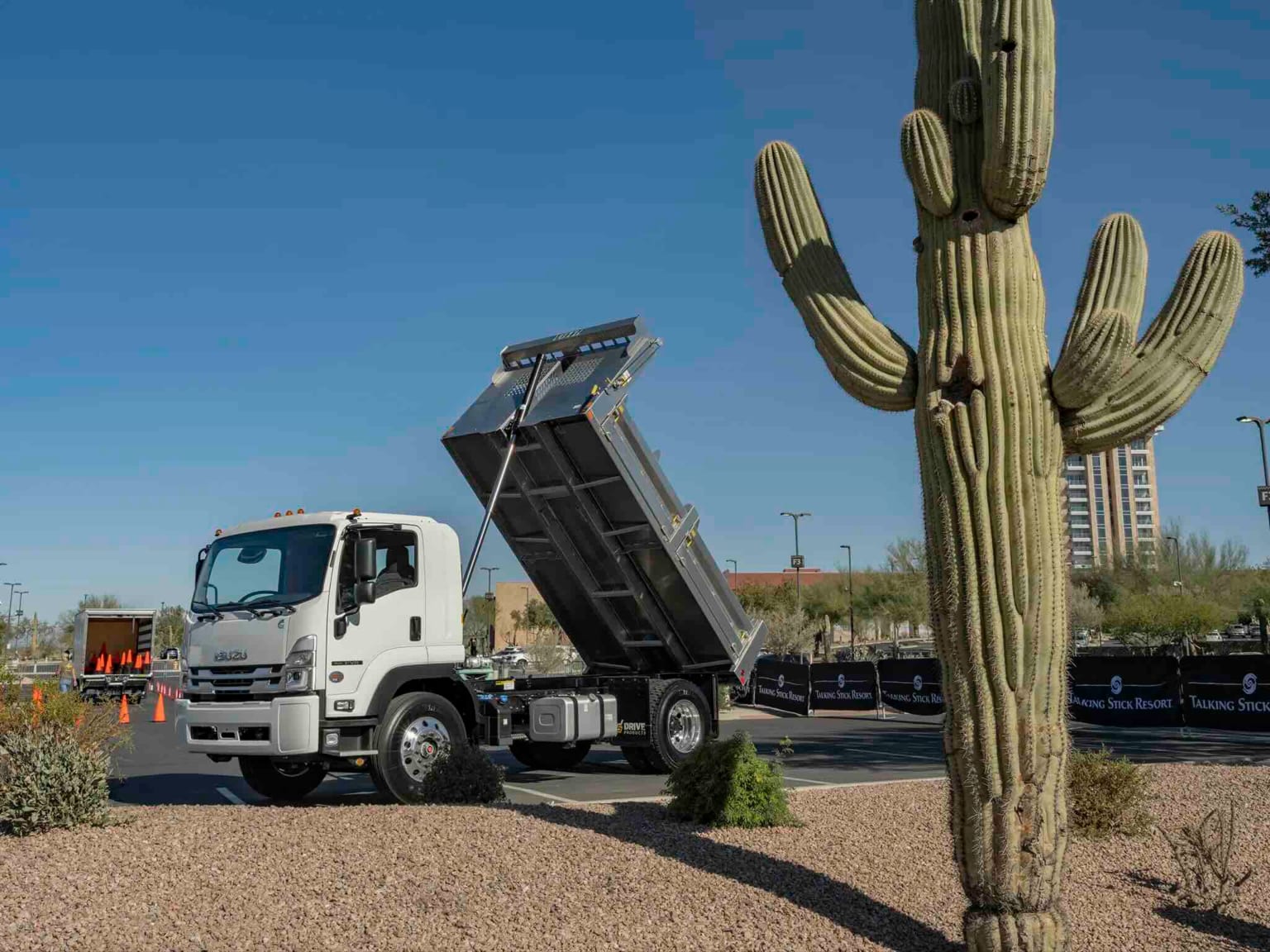
Dump body | Debris, soil, gravel, mulch | Faster unloading |
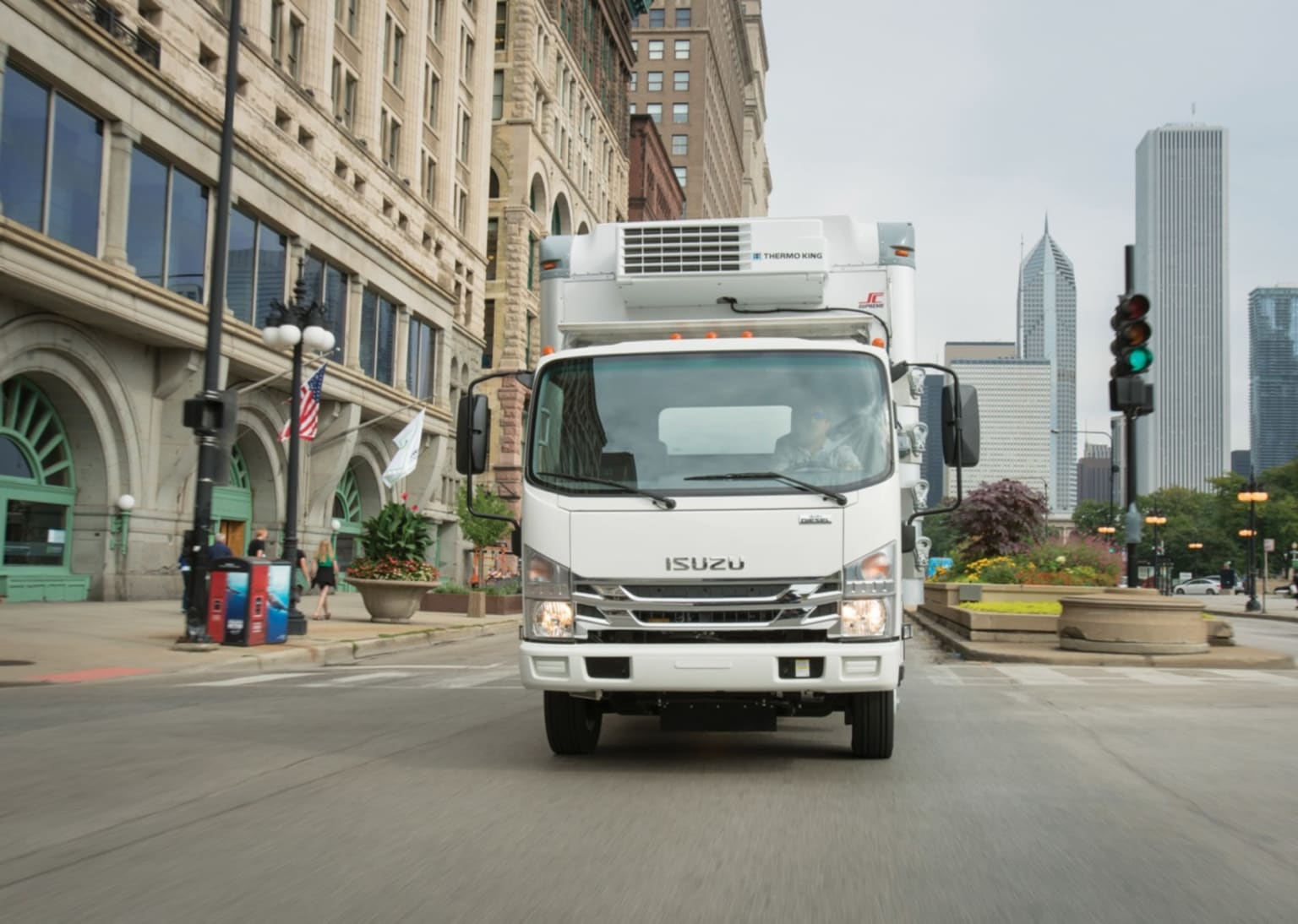
Refrigerated body | Food, floral, and temperature-sensitive cargo | Climate-controlled cargo area |
Service and utility body | Repair, maintenance, field service | Organized, lockable tool storage |
Flatbed | Lumber, pipe, equipment, building materials | Open access from multiple sides |
Stake bed | Landscaping, nursery work, bulky materials | Removable or folding sides |
Landscape body | Lawn care, maintenance, equipment transport | Purpose-built organization and access |
Exact body compatibility, payload, dimensions, and equipment depend on the Isuzu chassis, wheelbase, cab, powertrain, body manufacturer, and completed upfit. Always confirm the finished truck’s ratings and specifications before purchase.
One Chassis, Many Ways to Work
The right commercial truck body can turn an Isuzu chassis into exactly what your business needs.
Each body style solves a different problem, so the best choice comes down to what you carry, how you load it, where the truck operates, and how your crew works throughout the day. Here’s a closer look at the most common Isuzu body types and the jobs they’re built to handle.
The Isuzu Box Truck: A Mobile Stockroom With an Engine
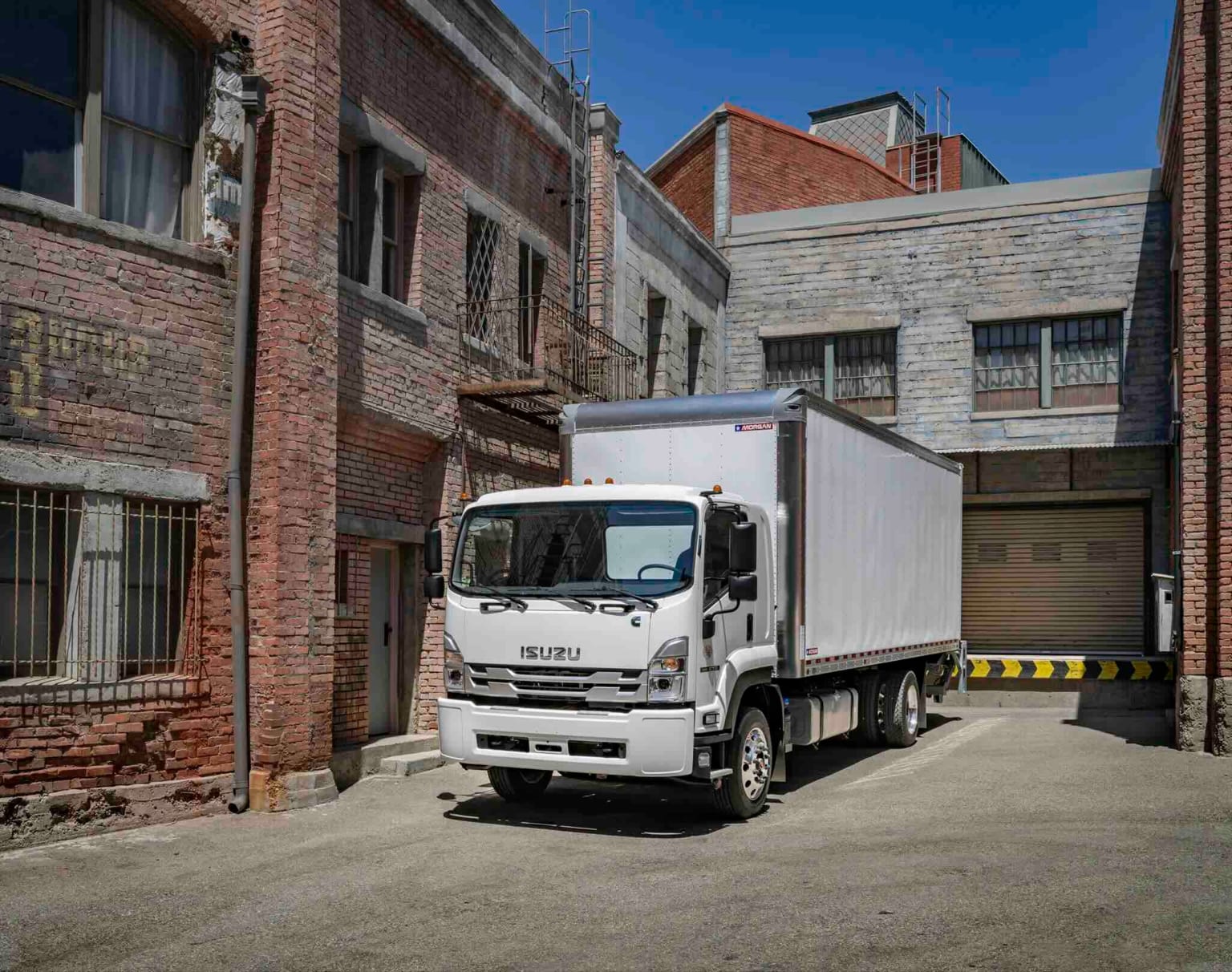
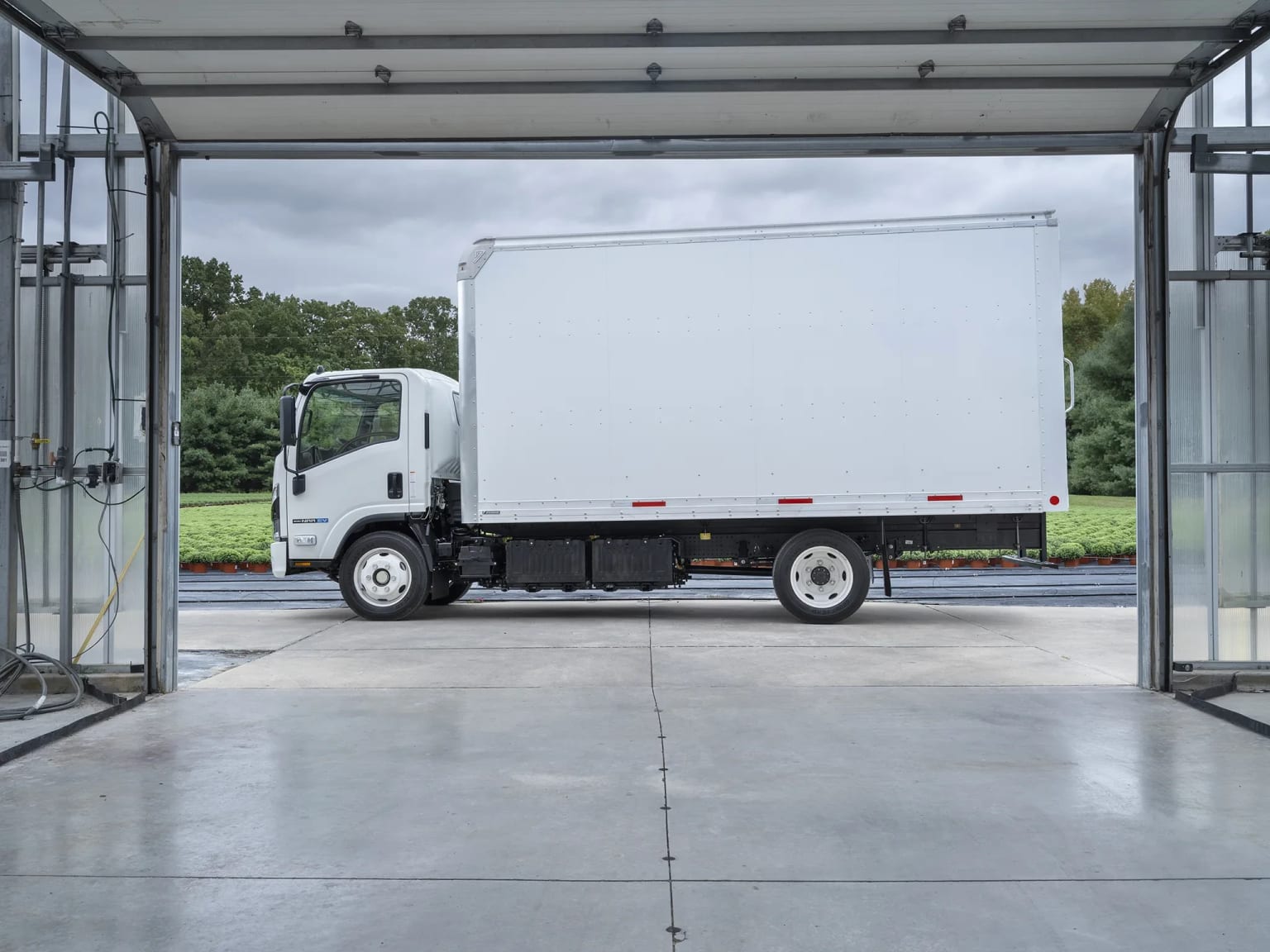
An Isuzu box truck pairs a cab-over chassis with an enclosed rectangular cargo body. You may also hear this setup called a dry van, straight truck, cube truck, or moving truck.
Whatever name is on the listing, the basic idea is simple: cargo stays enclosed behind the cab, protected from rain, road spray, and casual access.
That makes Isuzu box trucks for sale a natural choice for:
Furniture and appliance delivery
Moving companies
Retail replenishment
Linen and laundry routes
Office-supply businesses
General freight
Isuzu’s current N-Series gas lineup supports body lengths ranging from approximately 10 to 24 feet across the broader model range, while diesel N-Series configurations also accommodate body lengths up to 24 feet on certain standard-cab chassis. Exact availability varies by model and wheelbase.
Why an Isuzu Box Truck Works So Well for Routes
The cab-over layout places the cab above the engine rather than behind a long hood. That leaves a greater share of the truck’s overall length available for the body and cargo area.
For drivers making repeated stops, this layout can also support tighter maneuvering than a conventional truck of comparable cargo length.
Don’t Shop by Isuzu Box Truck Length Alone
Seeing “16-foot box” in a listing doesn’t tell you everything you need to know.
Before choosing an Isuzu box truck for sale, look at interior cargo dimensions, interior height, door-opening width and height, floor material, bulkhead design, side-door availability, and payload after the body and equipment are installed.
Crew Cab or Standard Cab?
Decide Who (and What) Gets the Space
Body choice is only half of the equation. Cab configuration changes how the truck works, too.
Standard Cab
A standard cab generally leaves more chassis length available for the body and usually weighs less than a crew cab. It may be the better fit for one- or two-person delivery routes, owner-operators, and jobs where cargo capacity takes priority.
Crew Cab
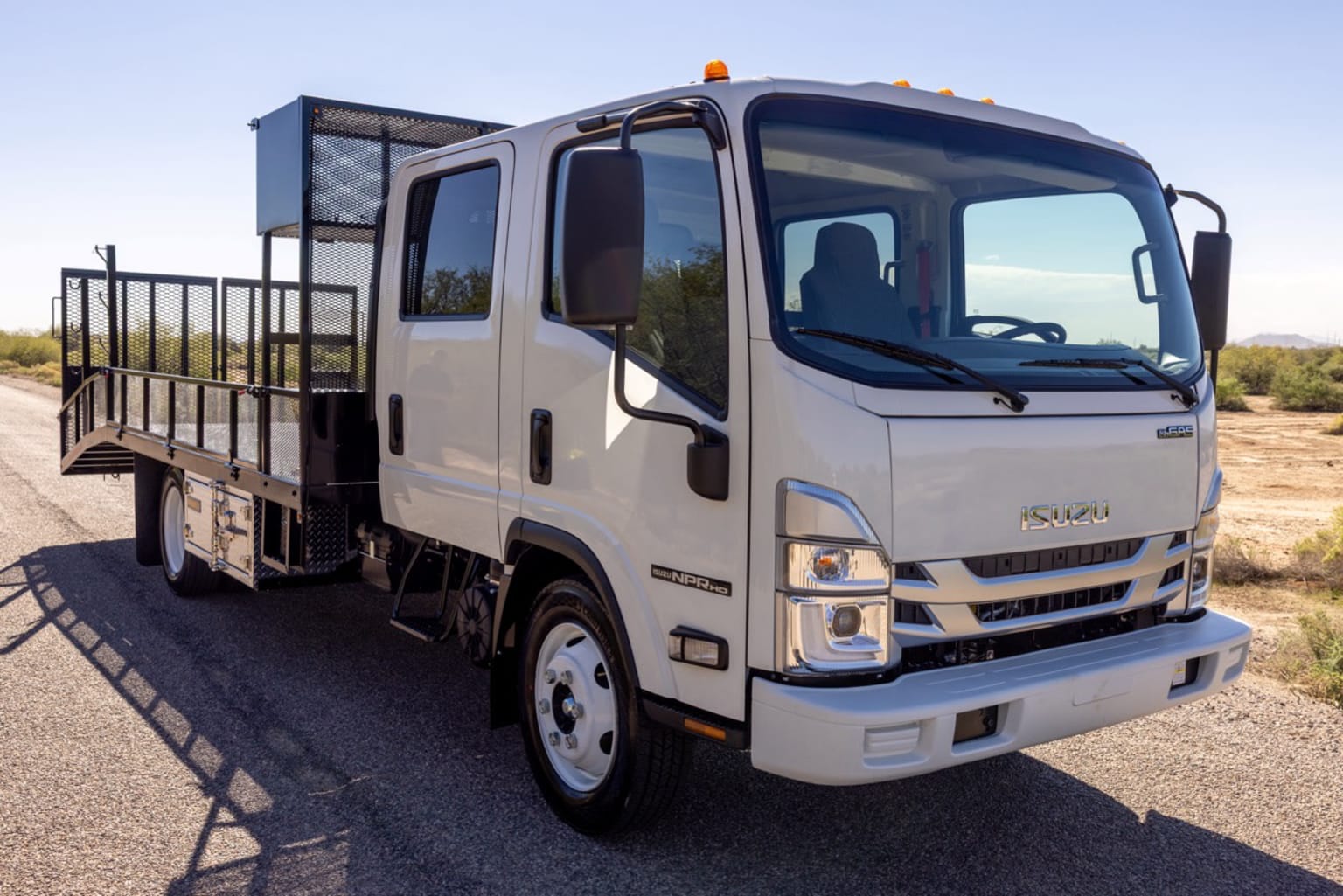
A crew cab adds rear seating for businesses that need to move a team together. Landscaping crews, construction teams, municipal departments, and maintenance operations may value that passenger capacity.
The trade-off is that a crew cab adds weight and uses chassis space. Crew-cab configurations generally support shorter maximum bodies than comparable standard-cab versions.
The Payload Question That Prevents Expensive Mistakes
Commercial-truck shoppers often focus on the chassis GVWR or the body’s advertised dimensions. Neither number, by itself, tells you how much cargo the completed truck can carry.
Start with this basic relationship:
Available payload = GVWR − completed empty vehicle weight
The completed empty weight includes the chassis, body, liftgate, racks, refrigeration equipment, hoist, toolboxes, hitch, fluids, and installed accessories. Passengers, tools, supplies, and cargo then use the remaining capacity.
Confirm the completed truck’s certification labels, axle ratings, payload, body specifications, and applicable operating requirements before putting it into service.
Seven Questions to Answer Before You Buy 💬
1. What’s the heaviest real-world load?
Don’t estimate based only on an average day. Plan for the heavy route, wet material, full tool inventory, passengers, and accessories.
2. Is your cargo bulky, dense, or both?
Furniture demands volume. Tile demands payload. Landscaping equipment may demand both floor space and weight capacity.
3. How is the truck loaded?
Hand loading, forklifts, pallet jacks, ramps, and liftgates require different bodies and access points.
4. How many people ride in it?
Crew size may determine whether a standard cab or crew cab makes more operational sense.
5. Where does it operate?
Consider narrow streets, low branches, loading docks, parking structures, jobsite access, turning space, and overhead clearance.
6. What equipment stays on the truck?
Toolboxes, generators, cranes, racks, compressors, refrigeration systems, and hitches affect body layout and payload.
7. Could the business outgrow the body?
A little strategic room can support growth. Too much unused truck can add cost and complexity. The goal is useful capacity, not empty space.

Spec the Work First. Then Spec the Truck.
A commercial truck should make the day easier.
The right Isuzu box truck keeps deliveries protected and organized. An Isuzu flatbed truck makes awkward materials easier to reach. An Isuzu stake bed truck contains bulky cargo without giving up open-bed flexibility. An Isuzu landscape truck turns scattered equipment into a coordinated mobile workspace.
Body style, chassis class, wheelbase, cab configuration, payload, loading equipment, and route conditions all need to work together. That’s why choosing a commercial truck is less like picking a trim level and more like designing a tool.
Box, Flatbed, Stake Bed, or Landscape: Which One Wins?
There’s no universal winner. There’s only the body that removes the most friction from your operation.
Choose an Isuzu Box Truck When:
Cargo needs weather protection
Security is important
Most loading happens from the rear
Your business moves packaged or finished goods
Cargo volume matters as much as payload
You want a large mobile branding surface
Choose an Isuzu Flatbed Truck When:
Loads vary widely in shape
Forklift access matters
Materials are weather-tolerant
Side loading saves time
You carry lumber, pipe, equipment, or oversized items
Choose an Isuzu Stake Bed Truck When:
You need an open platform with added containment
Side access still matters
Loads include plants, branches, bags, or crates
Removable or folding sides would improve flexibility
Choose an Isuzu Landscape Truck When:
Your crew carries mowers and handheld equipment
Fast loading and unloading matter
Built-in racks and compartments would reduce clutter
You want to consolidate equipment into one purpose-built vehicle
Build the Truck Around the Job
At Way Scarff Isuzu, our team serves businesses from Auburn and surrounding communities, including Kent, Seattle, Tacoma, Puyallup, Sumner, and the greater Puget Sound area.
Explore our available commercial inventory or contact the Way Scarff Isuzu commercial team to discuss the cargo, crew, routes, and equipment your next truck needs to handle. Inventory and upfit availability change, so confirm the body, chassis, specifications, pricing, and completed payload of the exact truck before publishing or purchasing.