OEM vs Aftermarket Parts for Fleet Uptime: Your Isuzu Truck Parts Guide
Your Isuzu parts guide for smarter, longer-running fleets
When you’re managing commercial vehicles, “good enough” parts can turn into a very expensive phrase. The right choice in the OEM vs aftermarket parts debate isn’t about brand loyalty, it’s about uptime, repeat repairs, and how predictable your maintenance costs are month to month.
This guide breaks down OEM or aftermarket decision-making for real fleets, explains when Isuzu OEM parts are the smarter move, and helps you compare durability of aftermarket vs OEM parts without guesswork.
First: define OEM vs aftermarket parts terms (the ones buyers mix up)
Bottom line: In the “OEM or aftermarket” debate, FleetValue is your “value, but still Isuzu-channel” option—not the wild west.
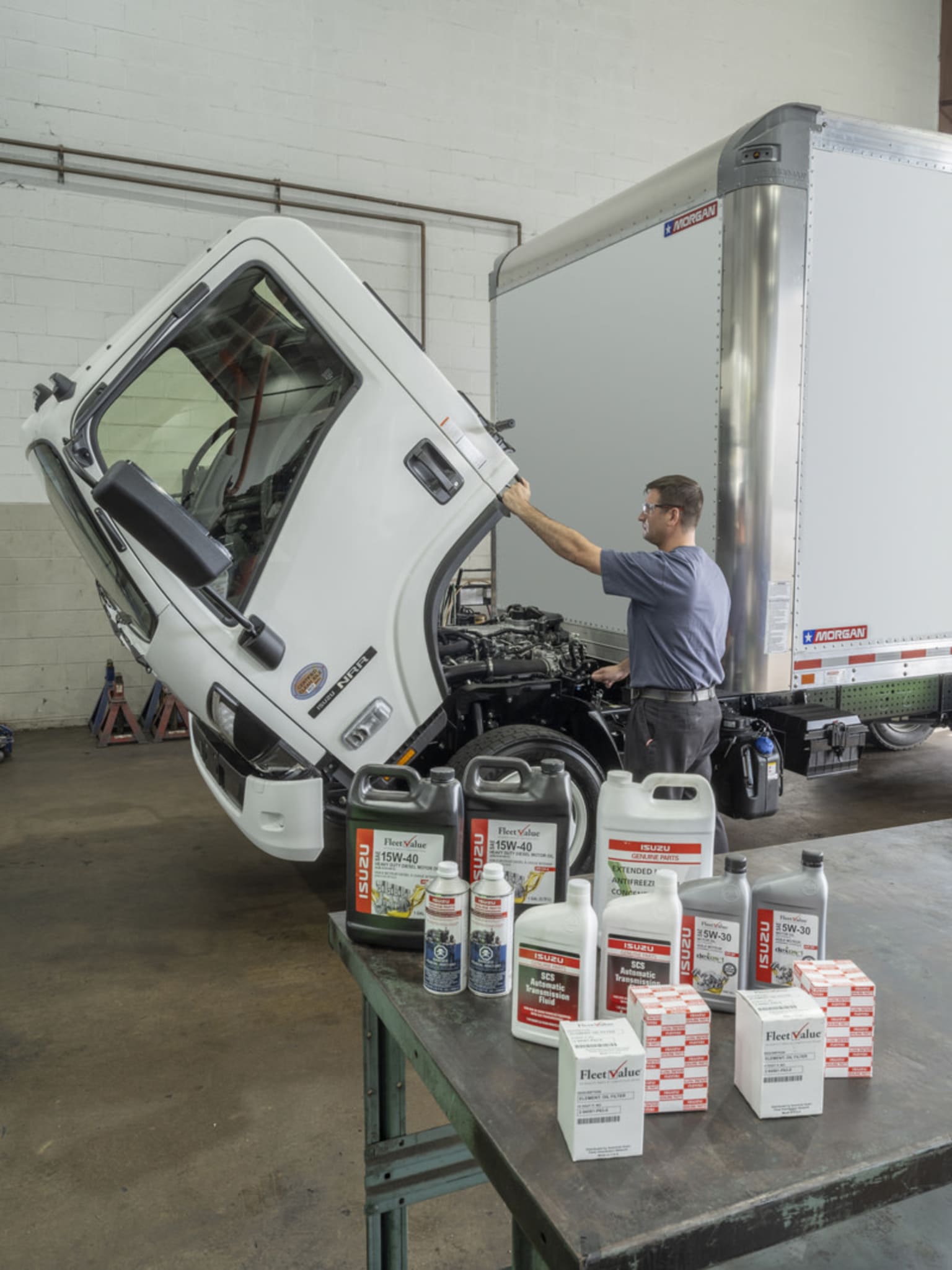
Isuzu Genuine Parts
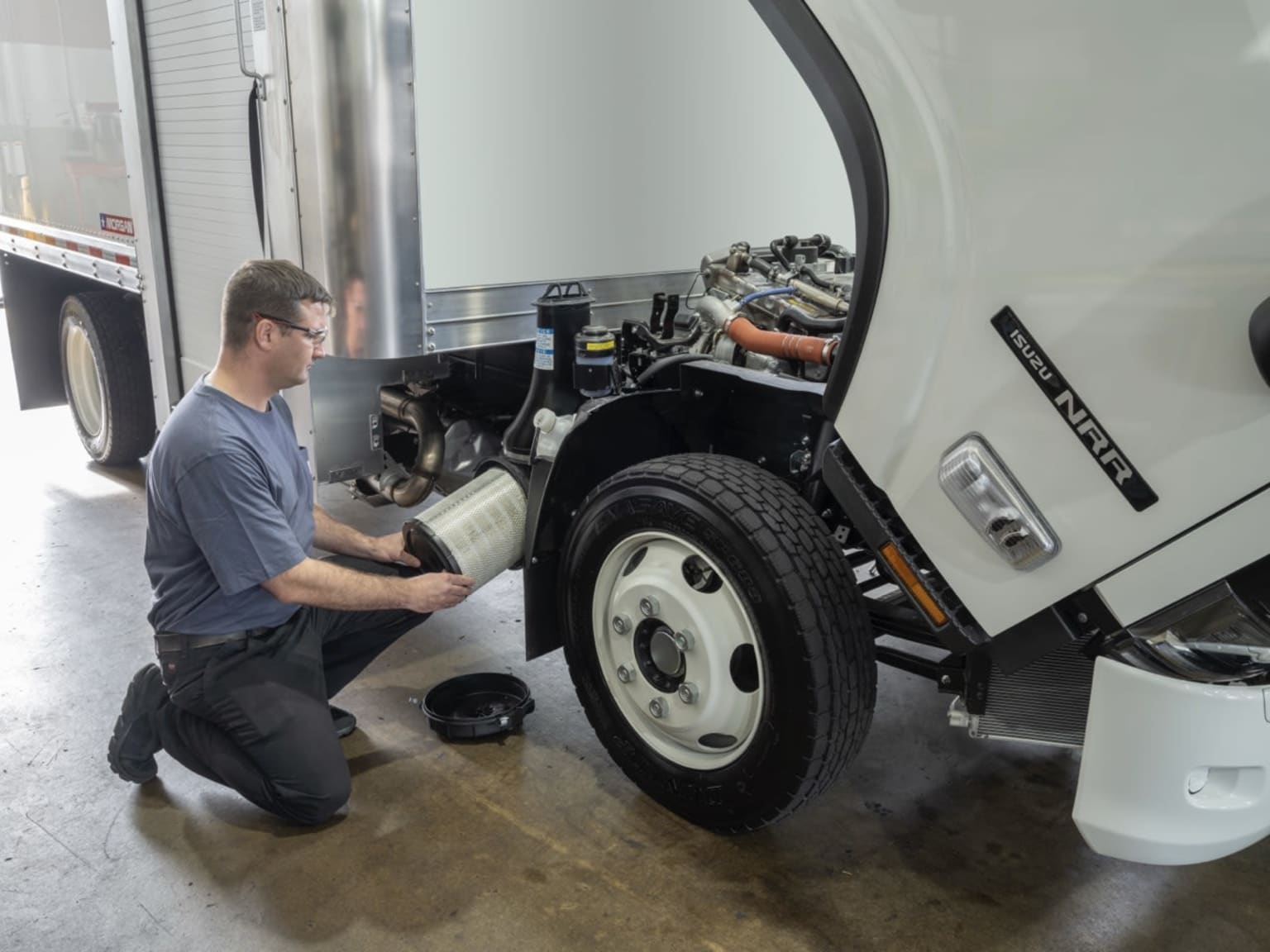
In the OEM vs aftermarket parts debate, these are the “factory-grade” parts designed for Isuzu applications. With these parts, fitment, performance, and long-term reliability are the priority.
This is what most people mean when they say “OEM” in day-to-day conversation.
Aftermarket parts
These are parts made by third parties and sold outside the manufacturer dealer channel. Quality ranges from excellent to questionable, and fitment/consistency can vary by brand and batch.
We don’t sell unapproved aftermarket parts because it adds uncertainty to fleet uptime.
FleetValue parts (Isuzu dealer value line)
FleetValue is Isuzu’s dealer-only, second-line value parts program, engineered to deliver reliable performance at a competitive price and typically positioned as a smart option for older/high-mileage trucks. They’re sold through authorized Isuzu dealers and carry a limited warranty (commonly 12 months/unlimited miles; details depend on market and whether installed by the dealer).
The uptime reality check
Where “cheap parts” get expensive fast
Fleets usually lose money in the same places:
Repeat repairs (part fails early or doesn’t fit right)
Diagnostic time (techs chasing issues caused by inconsistent components)
Premature wear (rotors/pads/filters that don’t hold up to your duty cycle)
Scheduling disruption (one truck down cascades into route chaos)
That’s why the smartest decision between OEM vs aftermarket parts is rarely “cheapest part today.” It’s “lowest cost per mile + least downtime.” FleetValue was built around that concept: value-focused parts aimed at safe operation, quality, and lower cost of ownership.
Compare durability of aftermarket vs OEM parts
A fleet-friendly scorecard
Use this quick framework when you’re deciding whether OEM vs aftermarket parts belong on your trucks.
Fit & consistency (important for speed of repair)
Isuzu Genuine: strongest consistency
FleetValue: designed to meet Isuzu channel expectations (value-focused)
Unapproved aftermarket: varies widely (brand dependent)
Long-term durability (important for service intervals)
Genuine: best for maximum longevity, especially on critical systems
FleetValue: strong durability-per-dollar for high-mileage applications
Unapproved aftermarket: can be fine, but inconsistency is the risk you’re paying to avoid
Warranty support (important for predictability)
FleetValue typically carries a limited warranty (commonly 12 months/unlimited miles; installation may affect coverage).
The Parts That Decide Uptime
A fleet cheat sheet for choosing Isuzu Genuine vs FleetValue
When fleets argue about OEM vs aftermarket parts, what they really mean is: “Which parts can we standardize for reliability, and which ones can we run as value parts without inviting comebacks?”
Here’s the simple, practical way to decide using the only two lines we sell: Isuzu Genuine Parts and FleetValue.
1) Always prioritize Isuzu Genuine OEM Parts
These categories are where consistency saves labor time, avoids repeat repairs, and keeps drivers safe.
Safety-critical components
Brake system components where performance consistency matters most (especially for heavier routes and stop-and-go)
Steering and suspension parts that affect handling and alignment
Anything that could cause a “comeback” if it’s slightly off
Electronics + sensors
Sensors and electronic components that can create diagnostic headaches if tolerances are inconsistent
Parts that trigger warning lights, drivability issues, or repeat troubleshooting
2) FleetValue is the smart “value lane” for predictable upkeep
Comparing OEM vs aftermarket parts? FleetValue is ideal when you want to control cost-per-mile without gambling on unknown aftermarket quality, especially for older or high-mileage trucks.
Routine wear-and-tear parts
Wipers, common wear items, and maintenance-cycle parts where value and availability matter
Brake wear categories where FleetValue fits your duty cycle and replacement rhythm
High-mileage fleet strategy
Trucks that are past their “newest years” but still essential to operations
Operators who want dependable parts at a better price point while maintaining dealer-channel support
3) The standardization play that keeps fleets sane
The biggest uptime win when comparing OEM vs aftermarket parts isn’t a single part, it’s consistency.
Pick your approved OEM or aftermarket lane per category
Choose “Genuine” for critical systems and “FleetValue” for routine upkeep categories
Standardize across the fleet so your team isn’t dealing with multiple brands, inconsistent wear, or mixed service intervals
Order by VIN whenever possible
VIN-based ordering reduces wrong-part delays and return cycles. It also helps keep replacements consistent across model years and configurations.
The “right part” decision matrix 🧠
When to choose Isuzu OEM Parts vs FleetValue
Choose Isuzu Genuine Parts when:
The part is critical to safety or drivability (braking system components, steering/suspension components, etc.)
You’re protecting maximum uptime on newer trucks
You want the strongest “install it and forget it” confidence
Choose FleetValue Parts when:
The truck is older/high-mileage
You want strong value without gambling on unknown aftermarket variability
You’re targeting lowest cost per mile for wear items and routine replacement categories
A fleet-friendly parts strategy 💡
How smart fleets mix OEM or aftermarket to protect uptime
A practical approach to OEM vs aftermarket parts we often recommend:
Standardize your most common wear items across the fleet where possible
Use FleetValue for value-driven maintenance cycles on high-mileage trucks
Use Isuzu Genuine Parts for high-impact repairs and critical systems
Track what actually fails early (then upgrade that category immediately)
That strategy keeps your cost-per-mile stable without turning your parts cabinet into a random assortment of brands and quality levels.
Build your parts plan like you build your routes: for reliability
The right OEM vs aftermarket parts choice is about keeping trucks rolling. If you want help tightening your fleet parts strategy (what to stock, what to standardize, and what should always be OEM), Way Scarff Isuzu can help you build a plan that reduces downtime and keeps costs predictable.
Tell us your truck model (NPR/NQR/NRR), typical load, route type, and timeline. We’ll help you choose the best Isuzu OEM parts and Isuzu-approved aftermarket options.
FAQ: OEM vs Aftermarket Parts (Isuzu Fleet Uptime Guide)
If you’re comparing OEM vs aftermarket parts, the goal isn’t “cheapest today”—it’s fewer comebacks, fewer wrong-part delays, and better uptime.
Here are the most common questions we hear from commercial owners deciding between OEM or aftermarket.