
Fleet Repair Guide
Preventive Care, Maintenance, and Downtime Reduction
A Truck in the Shop Isn’t Earning Its Keep
For a business fleet, maintenance isn’t just about keeping vehicles clean and fluids topped off. Every truck sitting unexpectedly in a repair bay can mean a missed delivery, a rescheduled job, an idle employee, or a customer waiting longer than planned.
That’s why a smart fleet repair strategy starts before something breaks.
Preventive inspections, consistent service schedules, driver reporting, and accurate maintenance records can help businesses spot developing problems earlier and plan service around operations instead of reacting to breakdowns.
At Way Scarff Isuzu in Auburn, we work with commercial trucks and the businesses that depend on them. Whether you operate one delivery truck or a growing fleet, thoughtful truck maintenance can help keep more of your vehicles where they belong: on the road and working.

Fleet Maintenance vs. Fleet Repair: Know the Difference
Both matter, but they play different roles in keeping commercial trucks productive. A strong fleet program needs both. The goal isn’t to eliminate repairs, but to catch wear and developing issues early enough to reduce unplanned downtime. FMCSA also requires applicable motor carriers to systematically inspect, repair, and maintain commercial vehicles using regular service intervals suited to the fleet and vehicle.
Fleet Maintenance
Scheduled and preventive work that helps keep vehicles operating properly. This can include oil and filter changes, fluid inspections, brake checks, tire service, lubrication, and other manufacturer-recommended care.
Fleet Repair
Work that addresses problems after they appear, including worn brake components, electrical issues, engine or transmission concerns, cooling-system problems, and emissions-related repairs.
What Should Be Part of a Truck Maintenance Plan?
A good truck maintenance plan isn’t one checklist copied across every vehicle. Mileage, engine hours, route conditions, load, vehicle model, and duty cycle can all influence when service makes sense.
Still, several areas deserve regular attention:
Maintenance Area | What to Watch | Why It Matters |
|---|---|---|
Engine oil and filters | Mileage, engine hours, oil condition | Protects internal engine components |
Brakes | Pad or lining wear, fluid, braking feel | Helps maintain safe stopping performance |
Tires | Pressure, tread, irregular wear | Affects traction, handling, and tire life |
Fluids | Coolant, transmission and other fluids | Helps major systems operate correctly |
Steering and suspension | Wear, looseness, unusual handling | Important for control and tire wear |
Belts and hoses | Cracks, leaks, deterioration | Can reveal problems before failure |
Batteries/electrical | Starting performance, connections | Reduces avoidable no-start situations |
Emissions equipment | Warning lights and required service | Helps maintain proper operation and compliance |
The exact schedule should follow the requirements for the specific truck. Isuzu’s Priority Service Maintenance Program, for example, uses model-specific schedules and includes multi-point inspections covering areas such as fluids, filters, and driveshaft U-joints.

Preventive Fleet Repair Starts With Patterns
Sometimes the best warning sign isn’t a dashboard light—it’s a pattern.
Uneven tire wear, frequent coolant top-offs, harder starts, or a new vibration can give fleet repair teams useful clues before a truck is forced out of service.
That’s why maintenance records matter. Tracking service history, mileage, driver reports, and repeat concerns can reveal developing issues across one vehicle or the fleet. For regulated commercial fleets, FMCSA also requires applicable carriers to keep vehicle identification and inspection, repair, and maintenance records.
Three Habits That Can Help Cut Downtime
Downtime reduction doesn’t come from one magic service. It usually comes from building repeatable habits into everyday fleet operations.
Make Inspections Part of the Routine
Drivers spend more time with fleet vehicles than almost anyone else. Encourage them to report warning lights, unusual noises, changes in braking, tire concerns, leaks, or anything that feels different. Early information can turn an emergency fleet repair into a scheduled visit.
Schedule Service Before It Becomes Urgent
Planned truck maintenance gives you more control over when a vehicle leaves service. When possible, schedule routine work around lighter days, route rotations, or available spare vehicles instead of waiting for a breakdown to choose the timing for you.
Keep Vehicle Histories Organized
Mileage, engine hours, past repairs, recurring concerns, and upcoming service should be easy to find. Consistent records help you see what’s due and give technicians useful context when diagnosing a problem.
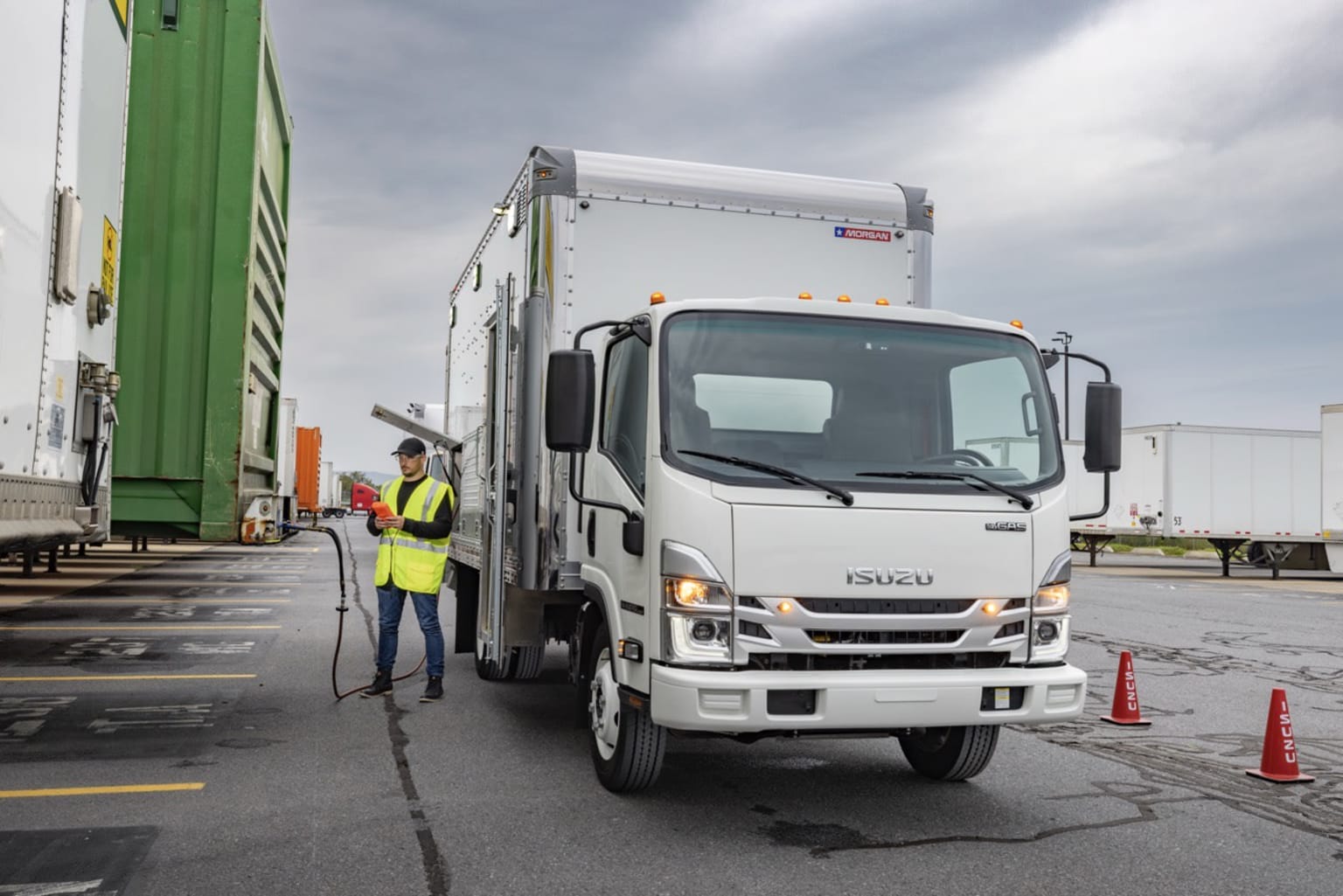
Maintenance Intervals Aren’t One-Size-Fits-All
A truck delivering lightweight packages on predictable urban routes may experience very different wear from one carrying heavy loads, idling for extended periods, or working in stop-and-go conditions all day.
That’s why commercial truck maintenance should reflect duty cycle as well as mileage.
Isuzu’s current Priority Service Maintenance Program illustrates the difference between powertrains. Its program covers factory-scheduled maintenance at 10,000-mile intervals for diesel trucks and 7,500-mile intervals for gas trucks under the applicable program, while other services and requirements vary by model and plan. Those figures shouldn’t be treated as a universal maintenance schedule for every Isuzu; always follow the schedule for the specific vehicle and operating conditions.
A good fleet repair plan also leaves room to adjust. If inspections consistently find excessive wear before a scheduled interval, the fleet may need a shorter inspection cycle for that component or route.

Small Problems Have a Habit of Getting Bigger
A minor issue is often easier to schedule and address early. Left alone, it can grow into a larger fleet repair and take the truck out of service.
Unusual noises, leaks, vibrations, warning lights, starting trouble, braking changes, and steering concerns shouldn’t wait until the next convenient appointment.
Good truck maintenance is partly about timing. Addressing concerns while the vehicle can still be scheduled normally gives a business more control than waiting for a breakdown.
At Way Scarff Isuzu, our Auburn service team handles routine maintenance, engine and transmission repairs, brake service, batteries, tires, alignments, air-conditioning service, and other commercial-truck needs.

Build Maintenance Around the Fleet, Not the Other Way Around
The best maintenance schedule is one your business can realistically follow.
Start by grouping vehicles by model, age, mileage, powertrain, and duty cycle. Then build recurring inspection and service windows instead of scheduling everything whenever someone remembers.
A simple fleet plan might track:
Current mileage and engine hours
Last and next scheduled service
Brake and tire condition
Open driver-reported concerns
Recurring repairs
Warranty or service-plan information
Annual inspection dates
Vehicle availability and planned downtime
That makes fleet repair easier to plan and helps prevent multiple trucks from being unavailable at the same time.
It also creates better communication between drivers, fleet managers, and technicians. A service department can work much more efficiently when it knows the truck’s history and the symptoms that led to the visit.

Don’t Forget Annual Inspections and Compliance
Maintenance planning also needs to account for regulatory requirements that apply to your operation and your broader fleet repair schedule.
Under FMCSA rules, covered commercial motor vehicles must receive a periodic inspection at least once every 12 months, with required components meeting applicable standards. State or operation-specific requirements may add more.
That annual inspection doesn’t replace day-to-day commercial truck maintenance or preventive service. For fleet managers, the practical move is to keep compliance dates on the same calendar as maintenance and repair so nothing becomes a last-minute surprise.
When Should a Truck Come Into the Shop?
Scheduled service is easy to put on a calendar. Unscheduled truck maintenance concerns require a little more judgment.
Bring a truck in promptly for persistent warning lights, fluid leaks, unusual smoke, braking changes, steering problems, abnormal tire wear, overheating, starting trouble, or new noises and vibrations.
Repeated issues also deserve attention. If the same fleet repair keeps returning, the service history may help technicians identify a larger problem instead of repeatedly treating the symptom.
The goal isn’t to send a truck in for every harmless sound. It’s to encourage drivers to report changes early so qualified technicians can decide what needs attention.
Put Downtime on the Schedule Before It Schedules Itself
Every working truck needs service. The goal is to plan for it before downtime plans for you.
At Way Scarff Isuzu, we help businesses in Auburn and the surrounding area stay ahead of service with scheduled maintenance, inspections, OEM parts support, and dependable truck maintenance and repair.
If your fleet is stuck in a “fix it when it breaks” cycle, our team can help you build a smarter fleet repair plan around mileage, service history, and operating needs.
Fleet Repair FAQs
Have questions about fleet repair, preventive truck maintenance, or keeping a commercial fleet on schedule? These answers cover the basics of building a maintenance program and reducing avoidable downtime.
Way Scarff Isuzu
501 Auburn Way North, Auburn, WA
Showroom Hours
Monday
9am - 7pm
Tuesday
9am - 7pm
Wednesday
9am - 7pm
Thursday
9am - 7pm
Friday
9am - 7pm
Saturday
9am - 7pm
Sunday
10am - 6pm