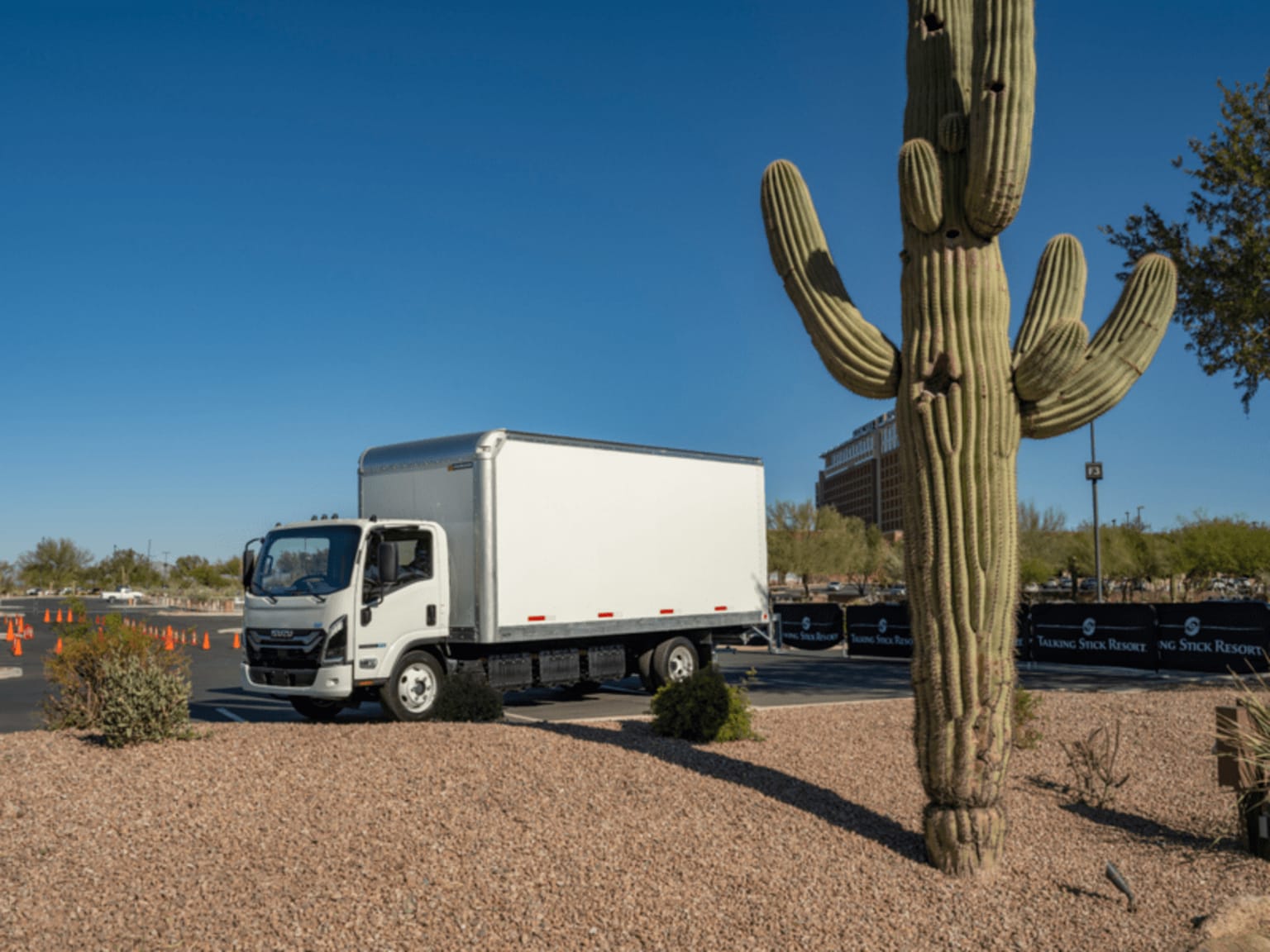
2026 Isuzu NRR EV
Electric Power Built Around the Workday
A Medium-Duty EV That Still Thinks Like a Work Truck
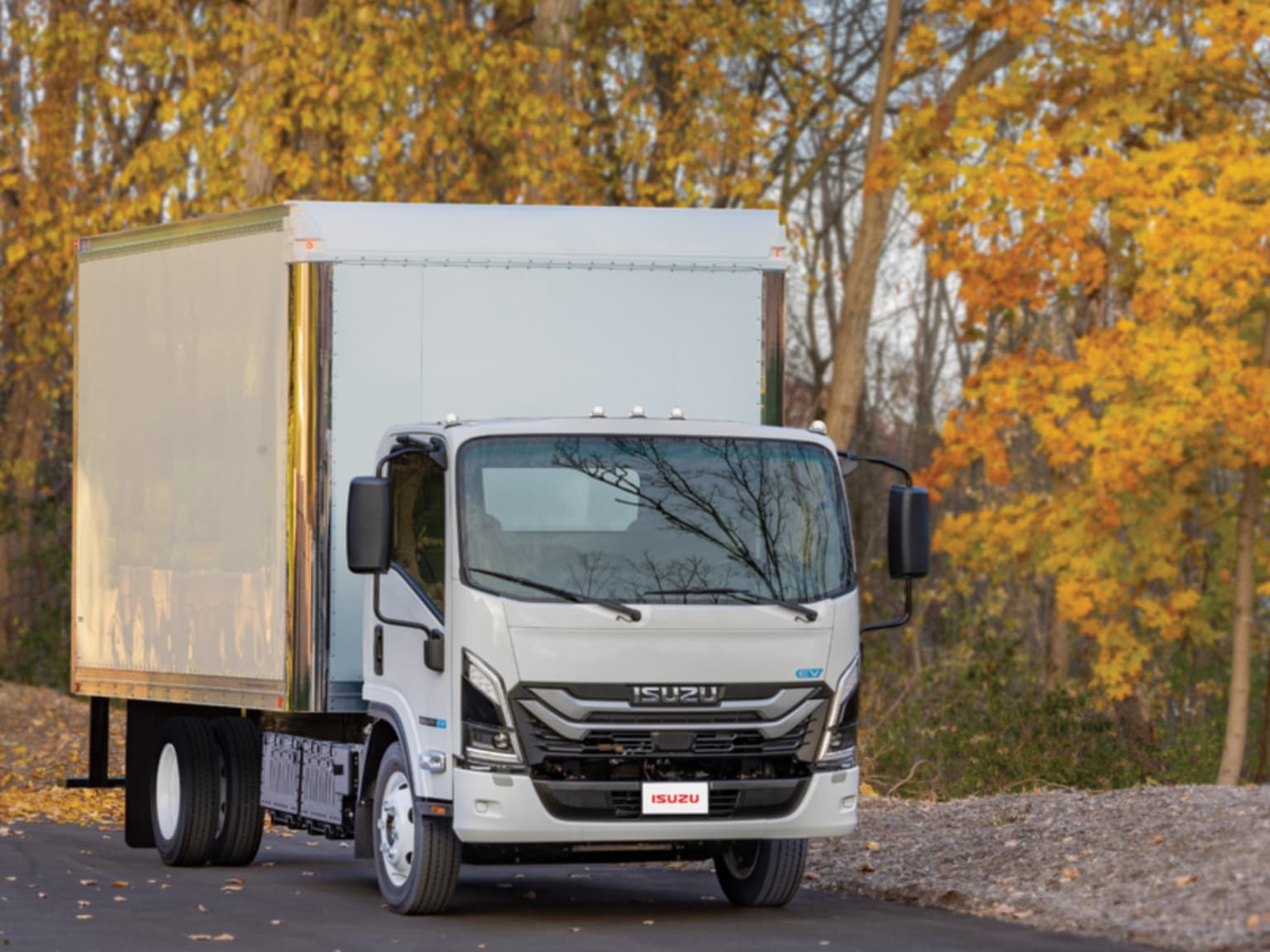
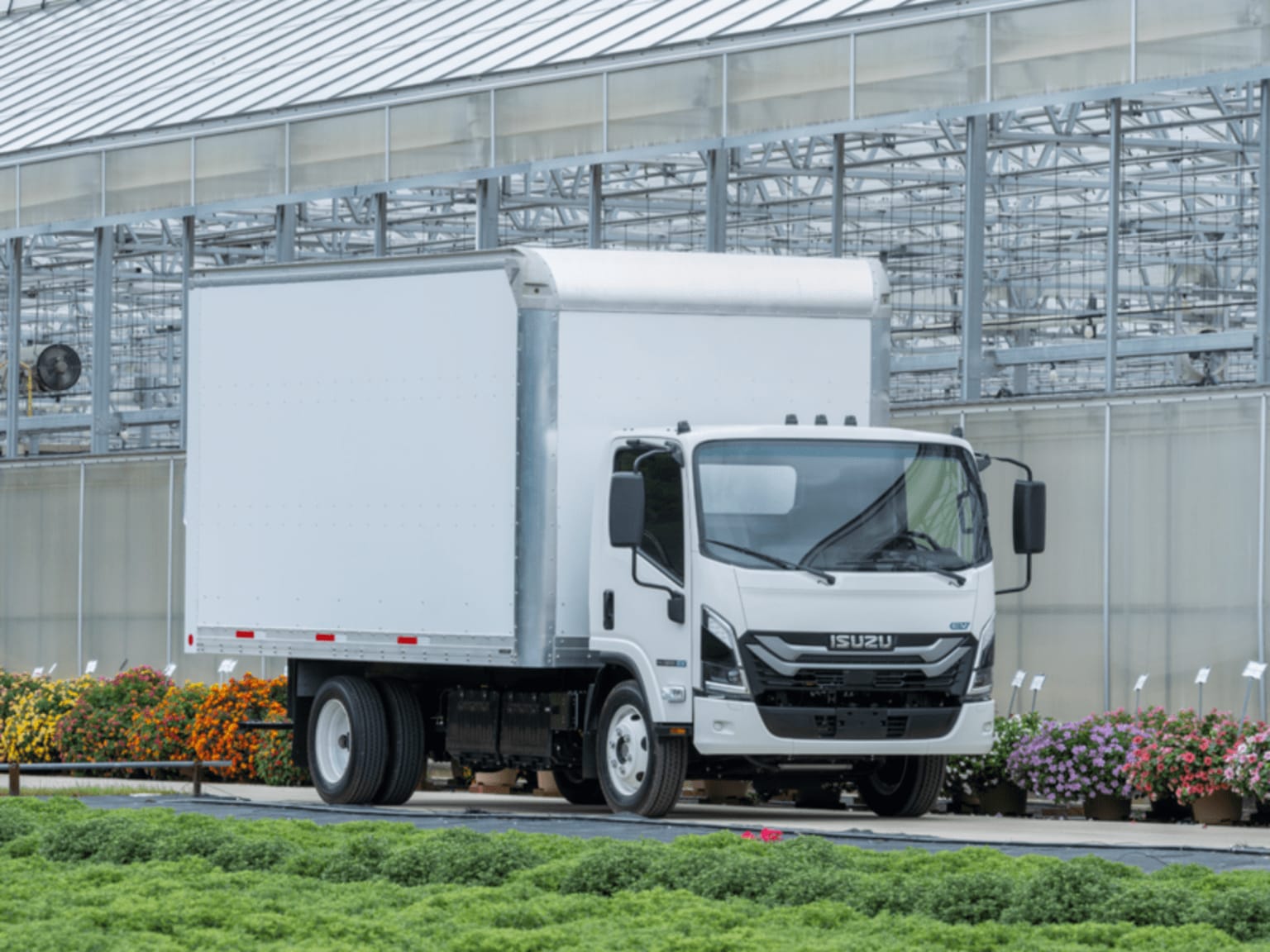
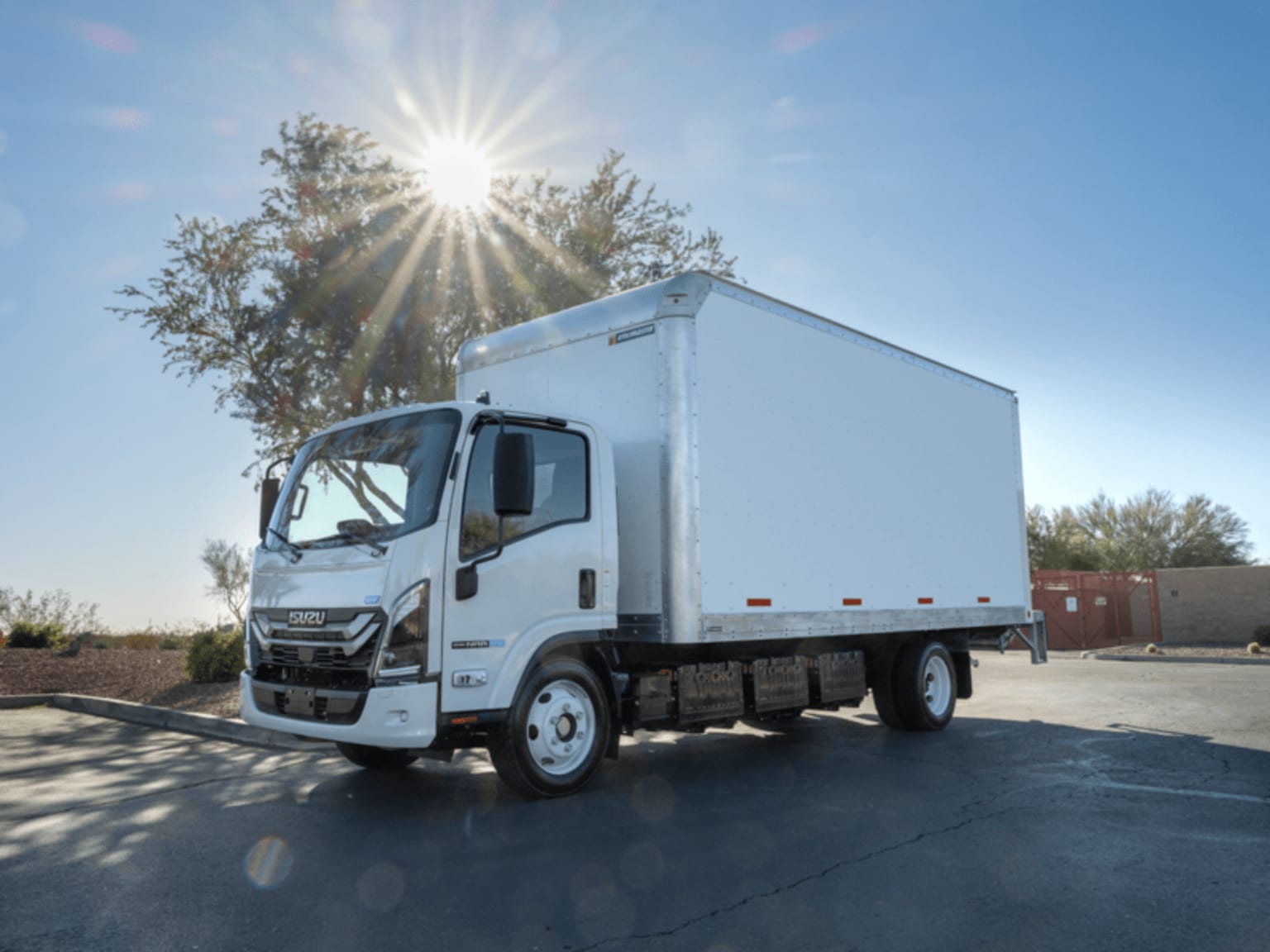
The Isuzu NRR EV takes the familiar low-cab-forward formula businesses already know and replaces the conventional powertrain with a fully electric setup designed for commercial use. It’s a Class 5 truck with a 19,500-pound GVWR, four available battery capacities, multiple wheelbases, and support for bodies from 12 to 20 feet long.
That flexibility matters. Instead of forcing every business into the same battery and body combination, the 2026 NRR EV lets operators match the truck more closely to route length, payload needs, charging plans, and vocational equipment.
For Auburn and South King County businesses exploring electric box trucks, delivery vehicles, or other medium-duty EV applications, Way Scarff Isuzu can help you look past the battery numbers and build around the actual job.
2026 Isuzu NRR EV at a Glance
Class: 5
GVWR: 19,500 lbs.
Electric motor: ZF CeTrax Lite 3-phase AC motor
Maximum output: 150 kW
Maximum torque: 280 lb-ft
Battery capacities: 60, 100, 140, or 180 kWh
Estimated range: 41 to 235 miles, depending on battery configuration
Wheelbases: 132.5, 150, or 176 inches
Body lengths: 12 to 20 feet
Body payload allowance: 9,882 to 12,951 lbs., depending on configuration
AC charging: Up to 19.2 kW
DC fast charging: Up to 80 kW
Regenerative braking: Adjustable
ePTO: Standard connection for compatible vocational equipment
The important number isn’t necessarily the biggest one. With the Isuzu NRR EV, battery size, wheelbase, range, and body allowance all interact, so the right configuration depends on what the truck needs to accomplish between charges.
Four Battery Sizes Let You Build Around the Route
More battery can extend range, but it also adds weight. That makes battery choice one of the biggest decisions when configuring an Isuzu electric truck. The 2026 NRR EV offers four battery sizes, letting businesses balance daily mileage, wheelbase needs, and available body allowance.
Actual range varies with payload, body equipment, weather, driving conditions, battery condition, and route.
60 or 100 kWh: More Configuration Flexibility
60 kWh: 41–80 miles of estimated range
100 kWh: 68–130 miles of estimated range
Wheelbases: 132.5, 150, or 176 inches
These smaller battery options provide the broadest wheelbase selection and can make sense for predictable local routes where maximum range isn’t the priority.
140 or 180 kWh: Stretch the Daily Range
140 kWh: 95–180 miles of estimated range
180 kWh: 122–235 miles of estimated range
Wheelbase: 176 inches
For businesses covering more miles between charges, the larger battery configurations extend the working range. The tradeoff is additional battery weight and less flexibility in wheelbase selection.
Charging Can Fit Around Different Fleet Schedules
Commercial EV charging works best when it’s planned around downtime rather than treated like a fuel stop. The Isuzu NRR EV supports both Level 2 AC charging through J1772 and DC fast charging through CCS1, giving fleets more than one way to work charging into the day.
For businesses considering electric box trucks, that can mean overnight depot charging, charging between shifts, or faster charging when turnaround time matters.
Level 2 AC Charging
60 kWh: About 6.5 hours from 20% to 90%
100 kWh: About 4.0 hours
140 kWh: About 5.7 hours
180 kWh: About 7.3 hours
Up to 19.2 kW on applicable battery configurations
AC charging is a natural fit for trucks that return to a depot or facility long enough to recharge between workdays or shifts.
DC Fast Charging
60 kWh: About 1.2 hours from 20% to 90%
100 kWh: About 1.2 hours
140 kWh: About 1.5 hours
180 kWh: About 1.8 hours
Up to 80 kW, depending on battery configuration
DC fast charging can make more sense when an NRR EV needs to get back on the road sooner rather than sitting through a full overnight charge.
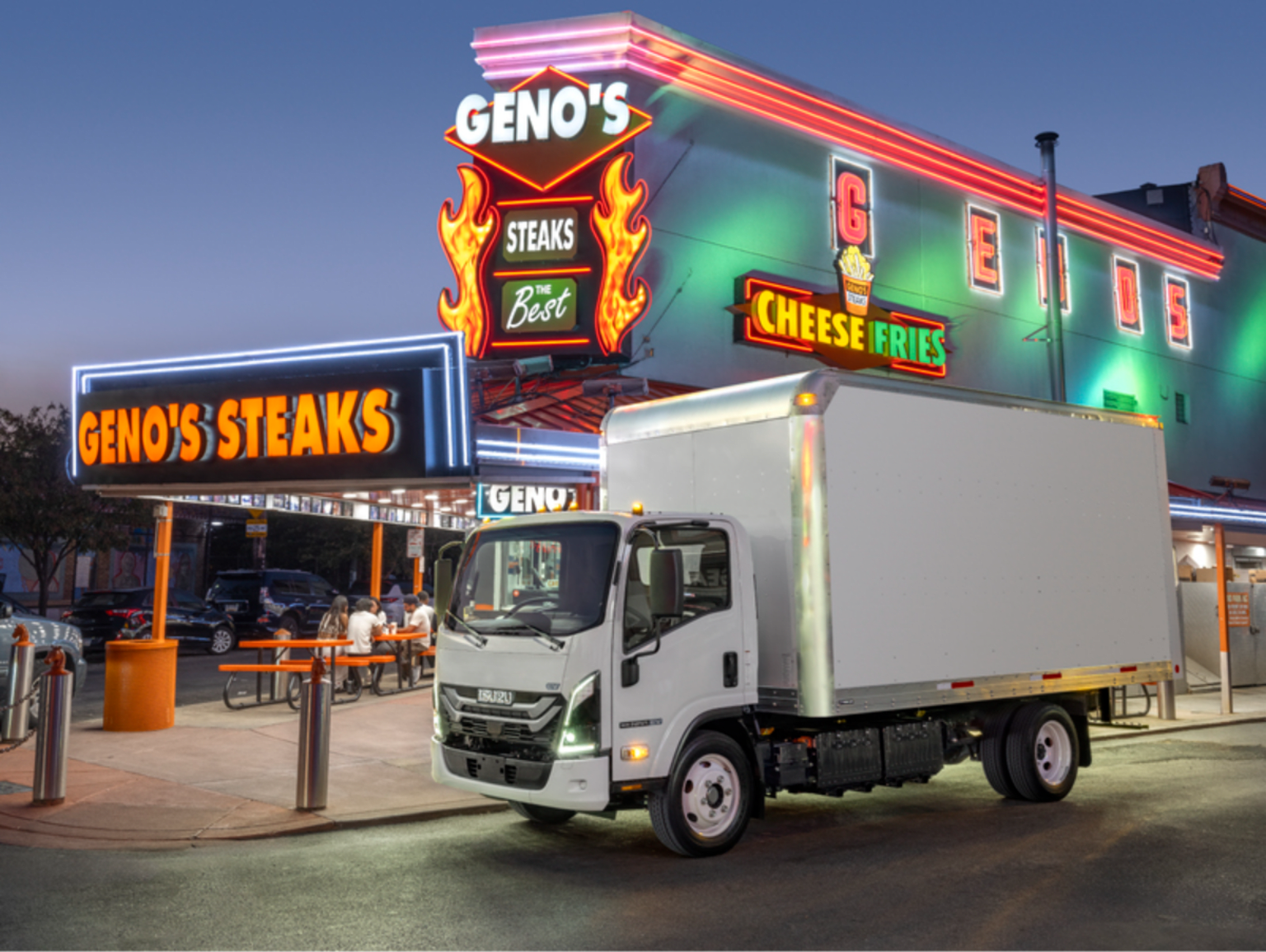
The Body Still Has to Match the Business
An Isuzu electric truck only works for the business if the chassis can support the body and equipment the job requires.
The Isuzu NRR EV can accommodate body lengths from 12 to 20 feet, depending on wheelbase. Available wheelbases measure 132.5, 150, and 176 inches.
That makes the chassis relevant for a range of commercial applications, including dry freight bodies and other vocational upfits. An NRR EV configured as one of your electric box trucks can look very different from another NRR EV built around specialized equipment.
Body payload allowance ranges from 9,882 to 12,951 pounds before accounting for the final body and installed equipment. The exact figure depends heavily on battery capacity and wheelbase.
At Way Scarff Isuzu, we can help you consider the whole build—not just the cab and chassis—before you settle on a battery or wheelbase.
More Range or More Body Allowance? Build Around the Priority
Battery size affects more than driving range. Because larger batteries add chassis weight, businesses need to balance daily mileage against the weight available for the body, equipment, and cargo.
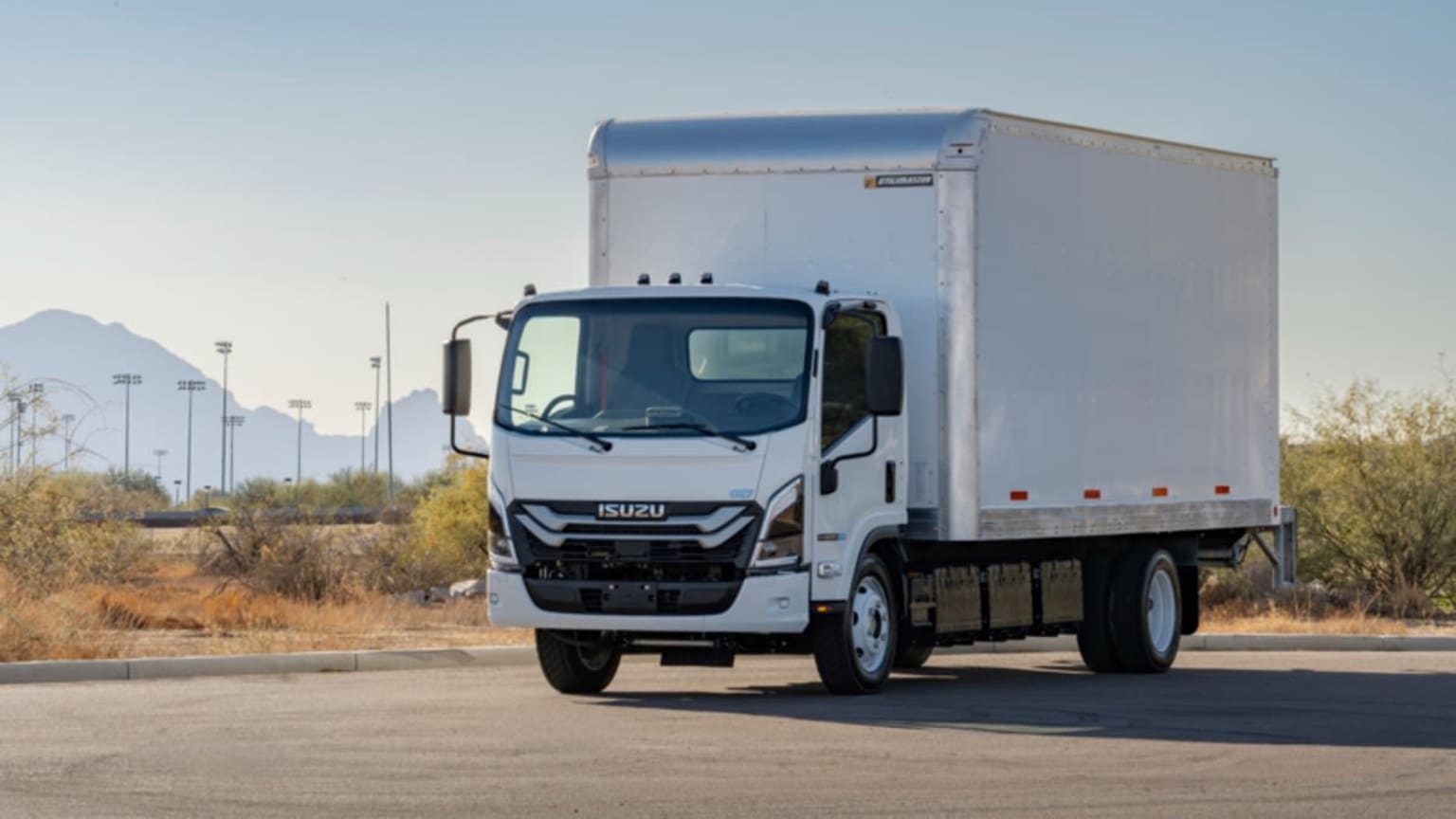
More Body Allowance
Smaller battery configurations
Up to 12,951 pounds of body payload allowance
Greater wheelbase flexibility with 60- and 100-kWh batteries
Strong fit for shorter, predictable routes
For some electric box trucks, leaving more available capacity for the body and cargo can matter more than maximizing range.
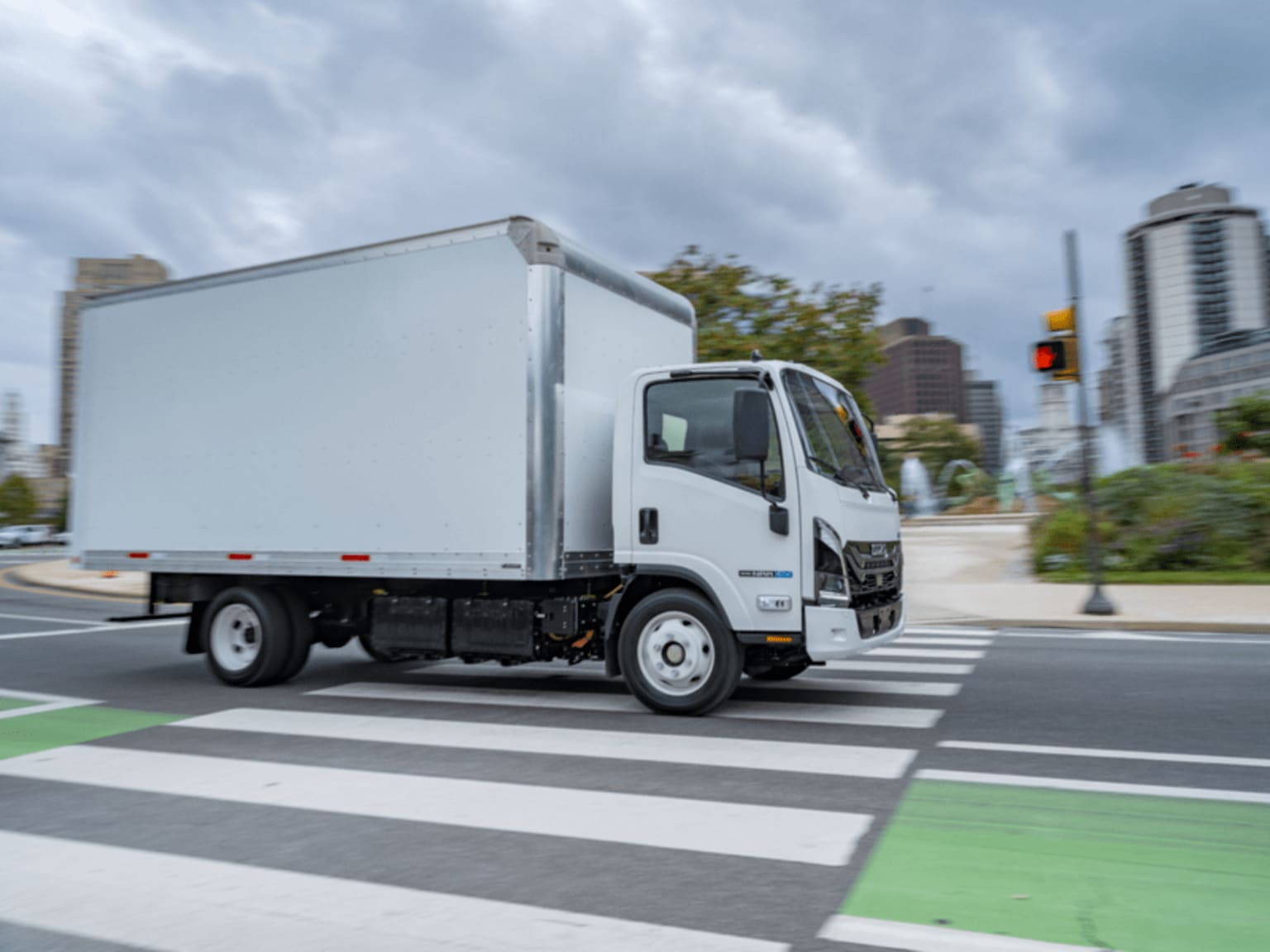
More Available Range
Larger battery configurations
Up to 235 miles of estimated range
176-inch wheelbase with 140- and 180-kWh batteries
180-kWh configuration provides 9,882 pounds of body payload allowance
For longer daily routes, the added battery capacity can expand the truck’s working radius, with the tradeoff of additional chassis weight.

Regenerative Braking Gives the Driver More Control
The electric powertrain changes more than what happens when you plug the truck in.
The Isuzu NRR EV uses adjustable regenerative braking with multiple strength levels controlled from a steering-column stalk. Regenerative braking allows the truck to recover energy during deceleration while also changing how strongly the vehicle slows when the driver backs off the accelerator.
For drivers working stop-and-go delivery routes, that’s particularly relevant. The truck can spend much of its day accelerating, slowing, stopping, and starting again rather than cruising at one speed for hours.
ePTO Helps Electrify More Than the Wheels
Some commercial vehicles need power for equipment even when they aren’t moving.
The NRR EV includes an electric power takeoff connection designed to supply high-voltage power to compatible vocational equipment. Potential applications can include equipment such as refrigeration systems and power inverters when properly configured.
That can make the Isuzu electric truck particularly interesting for businesses that want the truck’s electric architecture to support more of the completed vehicle.
Upfit requirements vary significantly, so vocational equipment should always be matched to the specific chassis and electrical requirements before the build is finalized.
Safety Tech Comes Standard, Not as an Afterthought
The 2026 Isuzu NRR EV comes with a broad standard suite of driver-assistance technology.
Features include:
Automatic Emergency Braking System
Lane Departure Warning System
Following Distance Warning
Forward Vehicle Start Notification
Mis-Acceleration Mitigation
Full-Range Adaptive Cruise Control
Automatic Brake Hold
Four-wheel anti-lock brakes
Electronic brake-force distribution
Electronic stability control
Driver and outboard passenger frontal airbags
Tire Pressure Monitoring System
For fleet operators, that means the conversation around electric box trucks doesn’t have to stop at range and charging. Driver support, urban operation, and long hours behind the wheel matter too.
Isuzu360 Keeps Battery Information Within Reach
Fleet management changes when fuel level becomes state of charge.
Isuzu360 can provide information such as battery level, charging status, charging history, and cruising distance. It can also help businesses manage charging schedules and monitor the status of NRR EV trucks remotely.
For an operation running several Isuzu NRR EV trucks, that visibility can make charging easier to plan around routes and downtime rather than relying on drivers to manually report each truck’s status.
Does an Isuzu NRR EV Make Sense for Your Route?
The best EV use case isn’t necessarily the truck that travels the fewest miles. Predictability can matter just as much.
Businesses with repeatable routes, known daily mileage, regular return-to-base schedules, and access to charging may have an easier time planning an electric commercial truck into their operation.
That’s especially true for local delivery and service businesses considering electric box trucks for routes where the vehicle repeatedly returns to the same facility.
At Way Scarff Isuzu, we can help you work backward from the route. Bring us your approximate daily mileage, desired body size, expected cargo, charging access, and vocational needs. We’ll help you determine which Isuzu NRR EV configuration deserves a closer look.
Don’t Pick the Battery Until You Know the Job
A 235-mile maximum estimated range sounds appealing, but the largest battery isn’t always the best fit.
Our team can help you weigh range against body size, payload, charging time, wheelbase, and upfit needs.
If you’re considering an Isuzu electric truck for your Auburn-area business, bring us the route and job requirements before you choose the chassis.
2026 Isuzu NRR EV FAQs
These FAQs cover the biggest questions about the Isuzu NRR EV, including range, charging, GVWR, battery options, and how it fits businesses considering electric box trucks.
