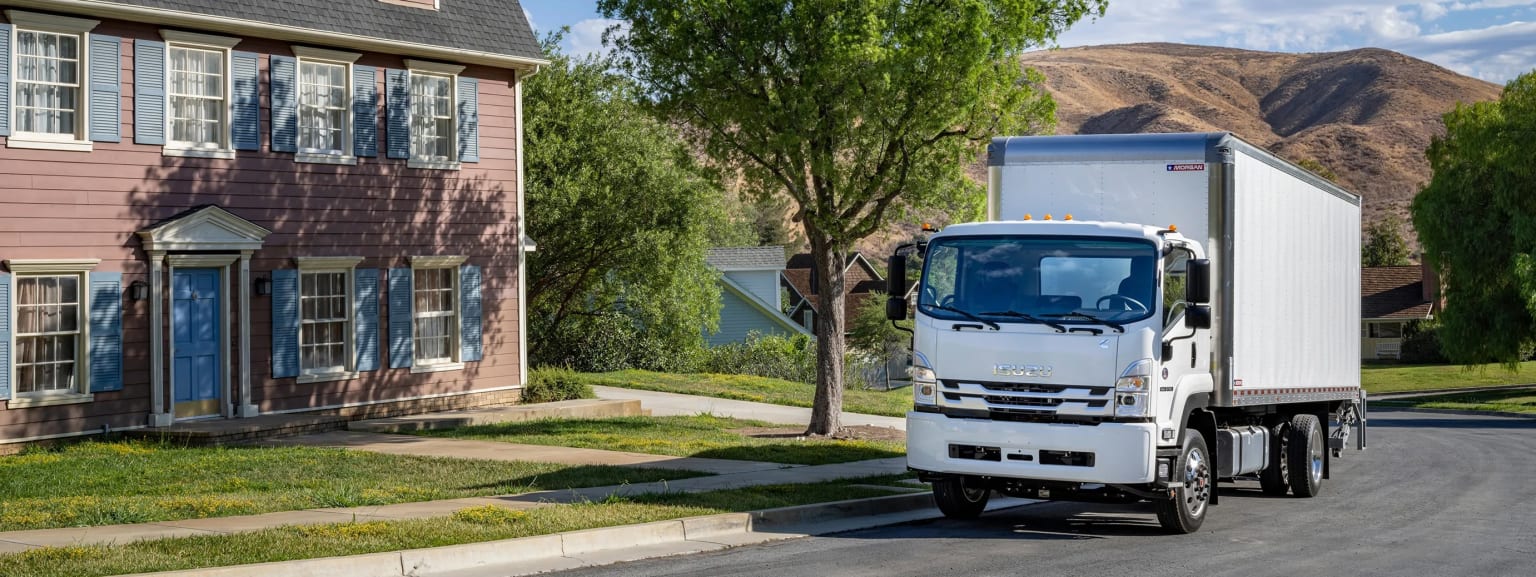
The 2026 Isuzu FTR
Built for Bigger Routes
Bigger Routes Need a Bigger Plan
Some businesses outgrow a smaller truck fast. The body is too short. Payload disappears too quickly. Routes get heavier. Suddenly, the truck that used to be “plenty” starts slowing the whole operation down.
That’s where the Isuzu FTR starts to make sense.
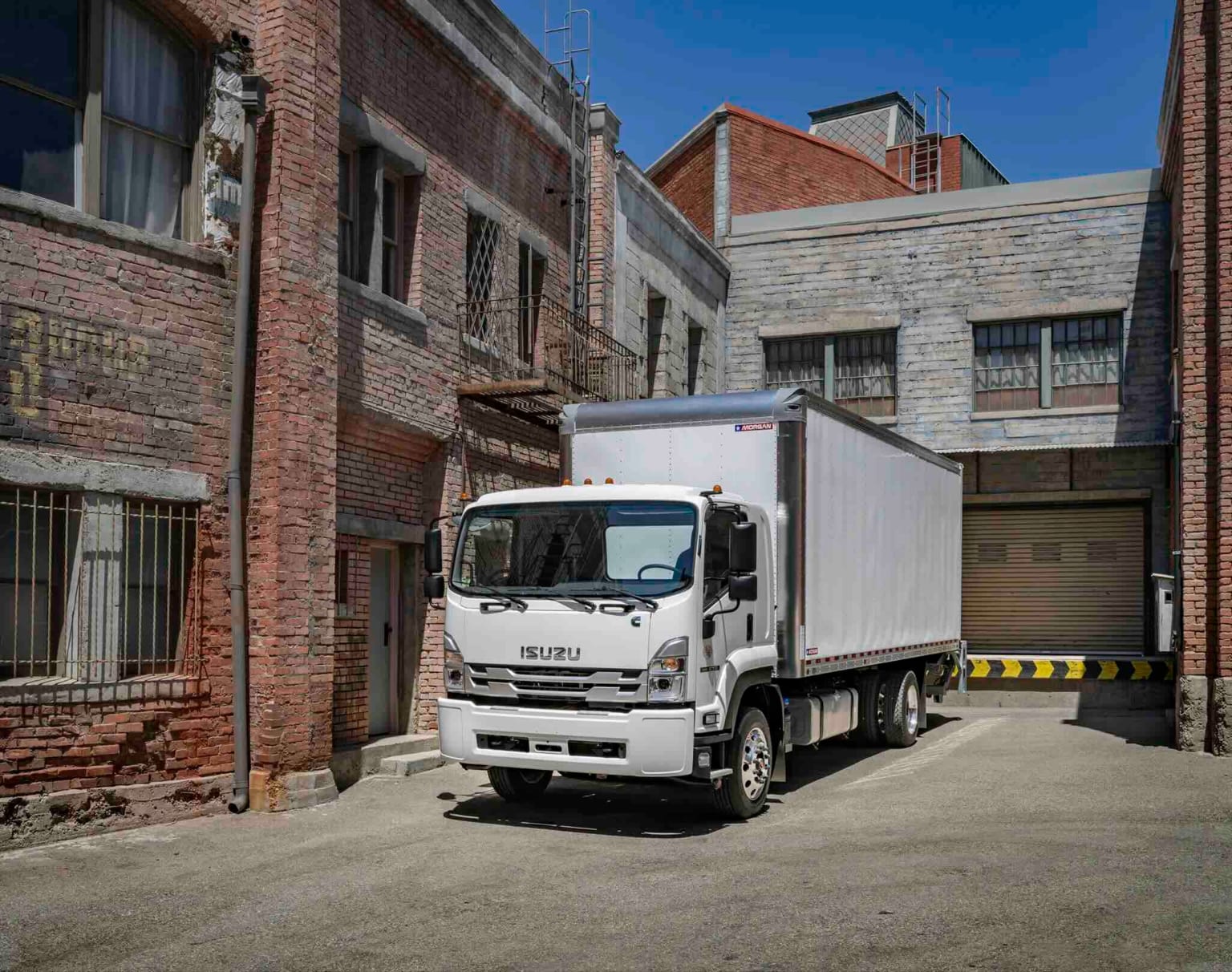
Built as a Class 6 low cab forward commercial truck, the Isuzu FTR gives businesses a larger platform for bigger bodies, heavier payload needs, and more demanding routes. It’s a smart step up for shoppers who need more capability than many N-Series trucks can offer, but still want the visibility and maneuverability that make Isuzu cab-over trucks so useful in real delivery work.
If you’re comparing Isuzu FTR for sale options around Auburn, Kent, Tacoma, Renton, Federal Way, or the greater Seattle area, you’re solving a business problem. Maybe you need a longer dry freight body. Maybe you’re planning a refrigerated build. Maybe your moving, beverage, flatbed, or route delivery setup needs more room to work.
The Isuzu FTR is built for that next level.
Isuzu FTR Specs: Quick Look 🔎
Commercial trucks are bought on numbers: body fit, payload, route needs, and whether the truck can make money without becoming a headache.
The Isuzu FTR specs give businesses a strong Class 6 platform to build from. Isuzu lists the FTR with a 25,950-pound GVWR, 30,000-pound GCWR, and a Cummins B6.7 turbocharged diesel engine rated at 260 horsepower and 660 lb.-ft. of torque. It pairs with an Allison® 2550 RDS 6-speed automatic transmission and uses full air dual circuit brakes with ABS. Isuzu also lists F-Series wheelbases from 152 to 248 inches, with body lengths from 14 to 30 feet, depending on configuration.
That’s the short version: the Isuzu FTR gives commercial shoppers a diesel-powered Class 6 foundation for delivery, moving, refrigerated, beverage, and vocational builds.
Diesel Power That’s Ready to Work
The Isuzu FTR uses the Cummins B6.7 diesel engine, a 6-cylinder engine built for medium-duty work. Isuzu lists it at 260 horsepower and 660 lb.-ft. of torque, giving the truck the low-rpm pull businesses need when cargo is real and the route is not forgiving.
That torque matters when a truck leaves the warehouse loaded, climbs through traffic, handles stop-and-go delivery, or moves between distribution points with weight on board. It’s not about sounding powerful. It’s about keeping the truck useful when the body, cargo, fuel, driver, tools, and equipment all count.
An Isuzu FTR for sale also brings a commercial-ready transmission setup. The Allison 2550 RDS 6-speed automatic helps keep the truck approachable for drivers while supporting the heavier-duty character of the chassis.
Low Cab Forward Design, Bigger Truck Capability
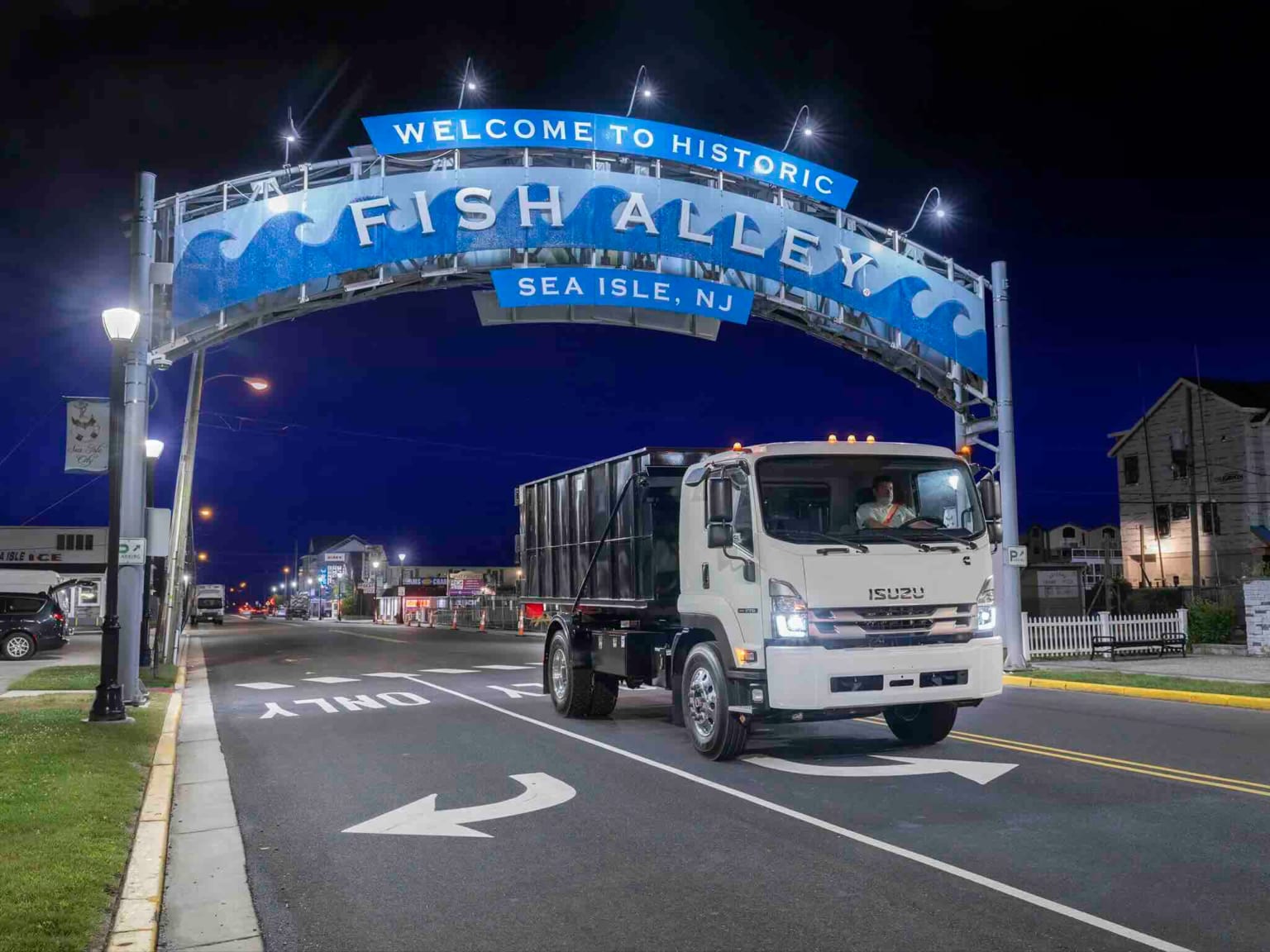
The Isuzu FTR keeps one of Isuzu’s biggest commercial advantages: the low cab forward layout.
Instead of a long hood stretching out in front of the driver, the cab sits forward over the engine. That helps with visibility and maneuverability in tight streets, crowded loading areas, job sites, alleys, docks, and customer parking lots.
That matters around the Seattle area. A driver may need to back into a tight dock in Kent, pull through traffic in Tacoma, stop at a restaurant in Auburn, or maneuver through a busy delivery area near Federal Way. A truck that’s easier to see out of and place correctly can make the whole day smoother.
The Isuzu FTR gives businesses a larger chassis without losing that cab-over advantage.
Cab Choices and Driver Comfort
A commercial truck is still a workplace. Drivers climb in and out all day, sit in traffic, back into docks, manage paperwork, and keep routes moving. The cab matters.
When comparing Isuzu FTR for sale inventory, look closely at seating, visibility, mirrors, step-in height, storage, cab condition, and how the truck feels from the driver’s seat.
For route delivery, moving, beverage, food service, and refrigerated work, a driver-friendly setup can help reduce fatigue. The right body and chassis get the job done. The right cab helps the driver get through the route with fewer headaches.
GVWR, Payload, and Towing
The Isuzu FTR is a Class 6 truck with a 25,950-pound GVWR. Isuzu also lists a 30,000-pound GCWR and body/payload allowance figures that vary by wheelbase and configuration, with listed allowance ranging from 14,505 to 16,264 pounds.
This is where Isuzu FTR specs become more than numbers on a page. The right truck has to match the body, route, cargo, liftgate needs, and daily workload before it goes to work.
GVWR and GCWR
GVWR is the maximum loaded weight of the truck itself. For the Isuzu FTR, that number helps you understand the truck’s working ceiling once the body, cargo, equipment, people, fuel, and accessories are part of the build.
GCWR matters when trailer weight enters the conversation. If your business may tow, haul equipment, or add heavier upfits, these ratings need to be checked before choosing an Isuzu FTR for sale.
Payload and Real-World Loads
Payload is what’s left after chassis weight is accounted for. That includes the body, cargo, driver, passengers, tools, fuel, refrigeration equipment, shelving, liftgate, and anything else added to the truck.
Before choosing an Isuzu FTR, bring real business numbers. Know your busiest load, body type, cargo weight, loading method, and whether the truck will carry pallets, refrigerated product, beverages, furniture, tools, equipment, or tow. The Isuzu FTR works best when it’s matched to the route before the body is built.

Isuzu FTR Box Truck Builds
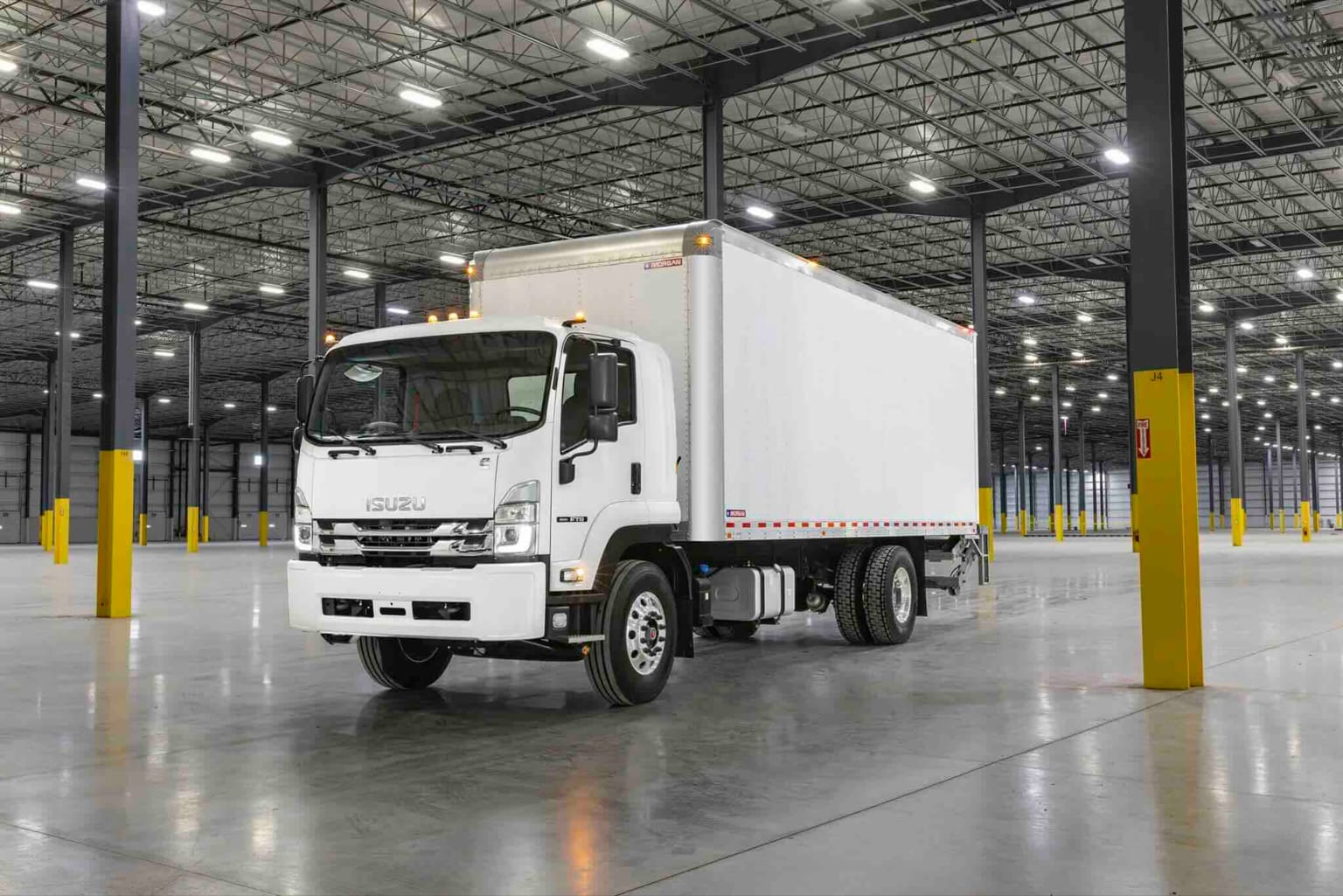
An Isuzu FTR box truck is one of the most natural fits for this chassis. The FTR can support body lengths from 14 to 30 feet, depending on wheelbase and configuration, giving businesses room to build around cargo volume, route design, and loading needs.
For delivery businesses, that extra body length can mean fewer compromises. A shorter body may be easier in tight areas. A longer body may help with route consolidation, furniture delivery, appliance delivery, packaged goods, retail freight, or higher-volume stops.
The box build can also be set up around how drivers actually work: roll-up doors, swing doors, side doors, ramps, liftgates, E-track, shelving, translucent roofs, interior lighting, bulkheads, and dock-height needs.
Upfits for Bigger Commercial Jobs
The Isuzu FTR is not one truck with one job. It’s a cab chassis that can become the truck your business actually needs.
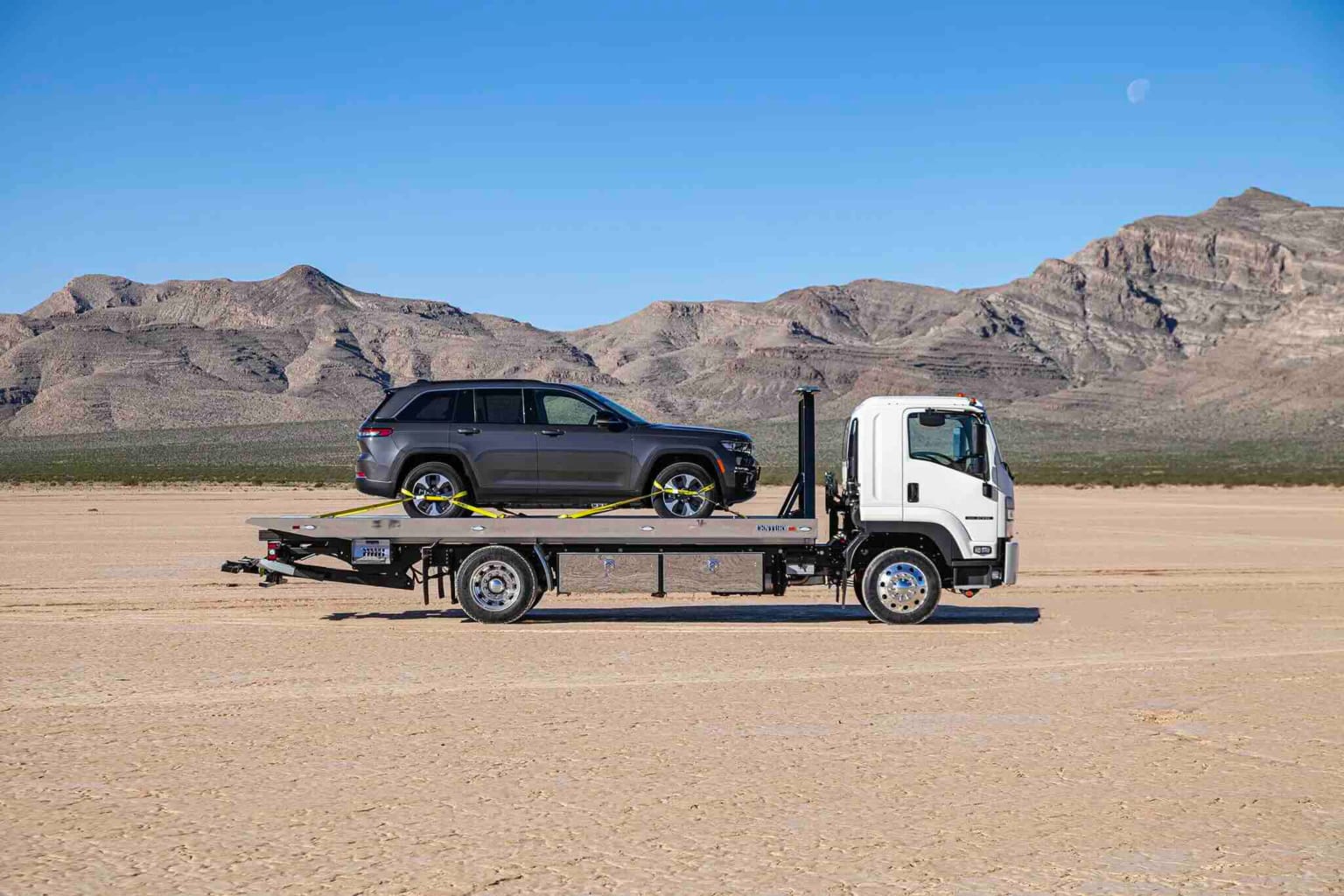
That upfit flexibility is one of the biggest reasons businesses look at an Isuzu FTR for sale. The chassis can support dry freight bodies, refrigerated bodies, beverage bodies, flatbeds, stake bodies, moving bodies, and vocational bodies.
Dry Freight and Delivery
A dry freight build is a strong match for parcel delivery, retail distribution, office supply routes, furniture, equipment, and general cargo.
Refrigerated Delivery
A refrigerated body can support food service, produce, meat, seafood, floral, grocery, beverage, and temperature-sensitive delivery. Refrigeration equipment, insulation, shelving, and product weight all affect payload.
Beverage and Route Delivery
Beverage work is heavy, repetitive, and stop-focused. The FTR’s Class 6 platform, diesel torque, air brakes, and body flexibility make it worth a close look.
Moving and Furniture
An Isuzu FTR box truck can be a strong fit for moving companies, furniture delivery, mattress delivery, appliance delivery, and office relocation work.
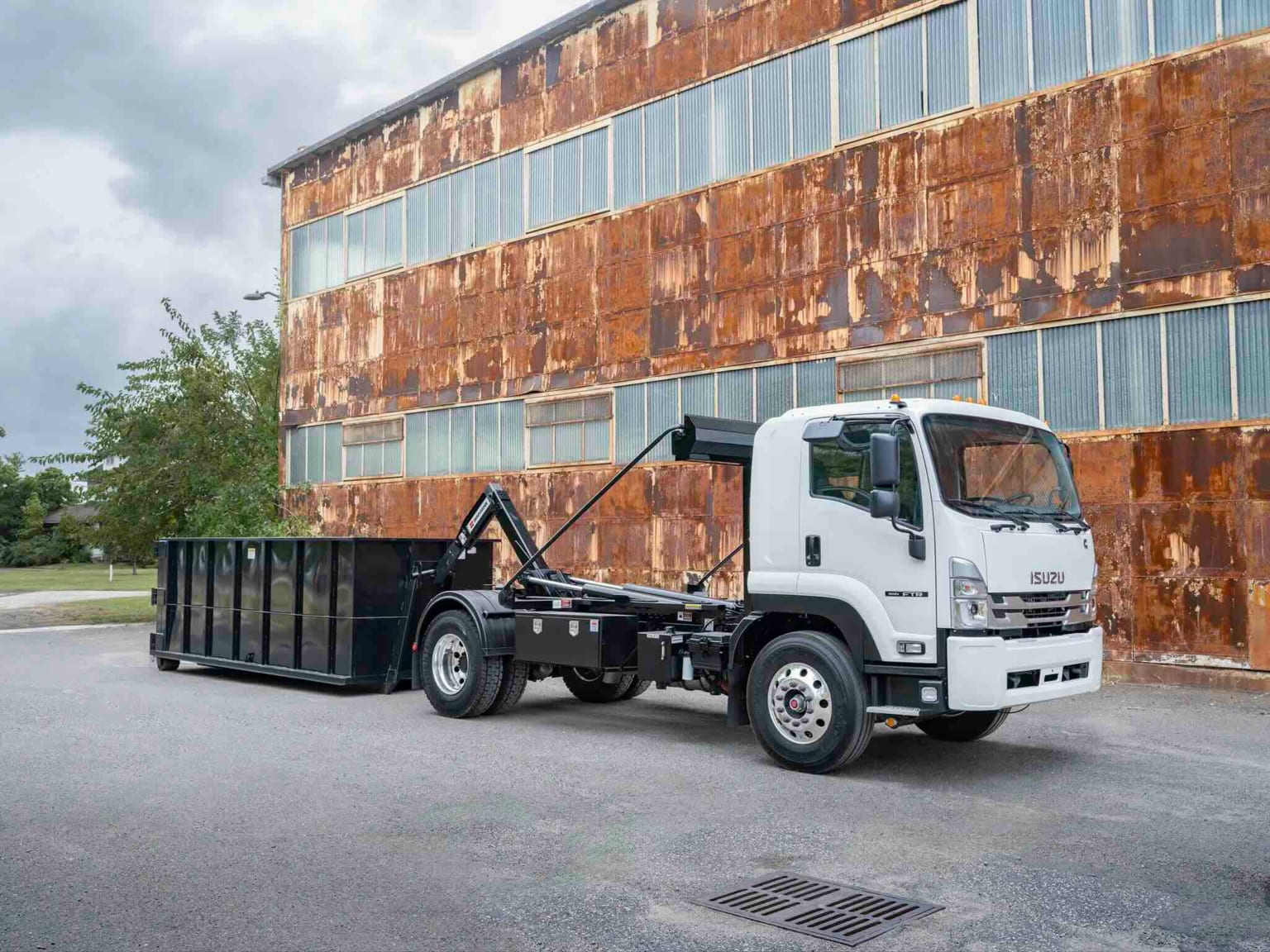
Flatbed, Stake, and Vocational Builds
Contractors, landscapers, municipalities, utilities, and service businesses may need a flatbed, stake body, or vocational upfit.
Real-World Use Cases 🌎
A truck this size should be matched to work, not wishful thinking.
The Isuzu FTR can make sense for local delivery companies that need more cargo room, regional distributors that need stronger route capability, and refrigerated businesses that need a larger body with enough chassis underneath it.
For moving companies, the Isuzu FTR gives crews body length and payload planning room for furniture, mattresses, appliances, boxes, and equipment. For beverage or food service companies, it can support heavier product and frequent stop-and-go routes. For contractors and vocational users, it can become a flatbed, stake body, or service-focused build.
The right setup depends on the job. A truck delivering packaged goods in Auburn may need a different body than a refrigerated truck running into Seattle or a moving truck serving Tacoma.
Is the FTR Right for Your Business?
The Isuzu FTR is right for businesses that have outgrown smaller trucks or need more body length, more payload planning room, and more medium-duty strength.
It may be a smart fit if you need a Class 6 truck, a larger body, diesel torque, air brakes, dock-height flexibility, or a platform for delivery, moving, beverage, refrigerated, flatbed, stake, or vocational work.
An Isuzu FTR for sale may not be the right answer if your loads are light, your route is compact, or a smaller N-Series truck can handle the work more efficiently. Bigger is not automatically better. The best truck fits your body, route, payload, drivers, and budget.
The Isuzu FTR should feel like a business tool, not a guess.
How to Shop Without Guessing 💡
Before choosing an Isuzu FTR for sale, write down what your business already knows.
How heavy is your busiest load? What body length do you need? How often do drivers stop? Do you load at docks, curbs, warehouses, kitchens, job sites, or customer parking lots? Do you need a liftgate? Will the truck run refrigerated? Will it carry pallets, carts, furniture, beverages, tools, or packaged goods?
Once those details are clear, the right Isuzu FTR specs become easier to understand. Wheelbase, body length, payload, fuel tank setup, upfit requirements, and route needs all work together.
That’s the difference between buying a truck and building a work system.
Shop Isuzu FTR Trucks at Way Scarff Isuzu
A commercial truck should not be a mystery purchase. It should be planned around how your business makes money.
At Way Scarff Isuzu, our team can help you compare Isuzu FTR for sale options, review body and payload needs, talk through upfits, and match the truck to your route before you commit. Whether you’re replacing an older delivery truck, expanding a fleet, stepping into refrigerated work, or moving up from a smaller cab-over, we’ll help you focus on the numbers that matter.
Bring us your cargo weight, route details, body needs, loading method, trailer plans, and timeline. We’ll help you compare available inventory, incoming trucks, and build possibilities so your next truck is ready for real work around Auburn, Kent, Tacoma, Renton, Federal Way, and the greater Seattle area.
Isuzu FTR FAQs
Trying to decide whether the FTR is enough truck, too much truck, or exactly the step up your business needs? These quick answers cover price, cylinders, body options, Isuzu FTR box truck builds, and the working numbers to check before you buy.
